
A Comprehensive Guide to Vehicle Lift Installation for Ambulances
Understanding the Importance of Vehicle Lifts for Ambulances
In emergency medical services, time and efficiency are critical. Ambulances equipped with vehicle lifts enhance the capability to transport patients swiftly and safely. These lifts facilitate the smooth transfer of patients, particularly those with mobility challenges, ensuring they receive prompt medical attention.

Types of Vehicle Lifts for Ambulances
Choosing the right vehicle lift is essential for improving ambulance service efficiency. There are several types of vehicle lifts, including hydraulic lifts, electric lifts, and manual lifts. Each type offers unique benefits and operational features suitable for different emergency scenarios.
Hydraulic lifts are known for their strength and reliability, often used in high-demand situations. Electric lifts, on the other hand, provide ease of use and quieter operation, which can be crucial during nighttime emergencies. Manual lifts are budget-friendly and offer basic functionality for less frequent use.
Installation Process and Considerations
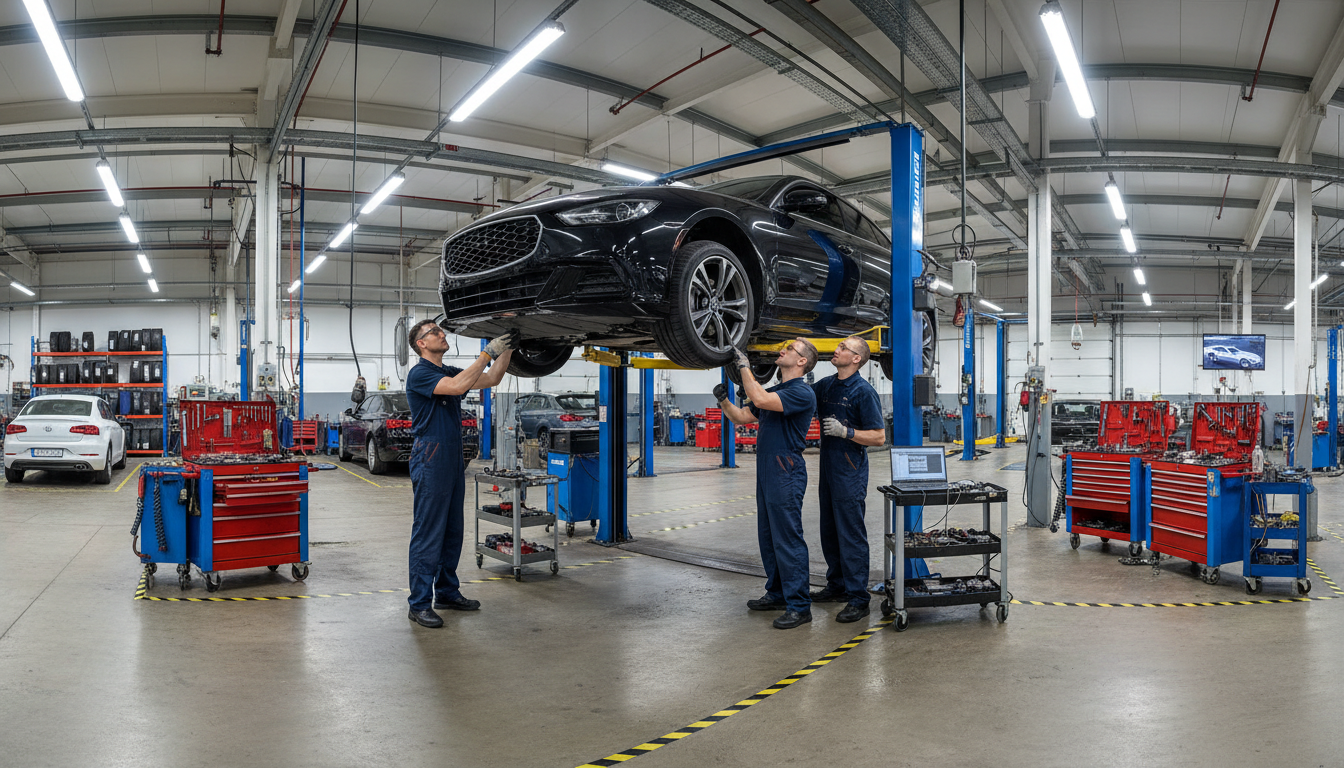
The installation of a vehicle lift in an ambulance requires careful planning and execution. It involves assessing the ambulance's design, weight capacity, and the specific needs of the medical team. Proper installation ensures the lift operates smoothly and safely under all conditions.
Professional installers are often required to ensure compliance with safety standards and regulations. It's crucial to choose a qualified technician who understands the intricacies of vehicle lift systems and their integration into ambulance services.
Maintenance and Safety Measures
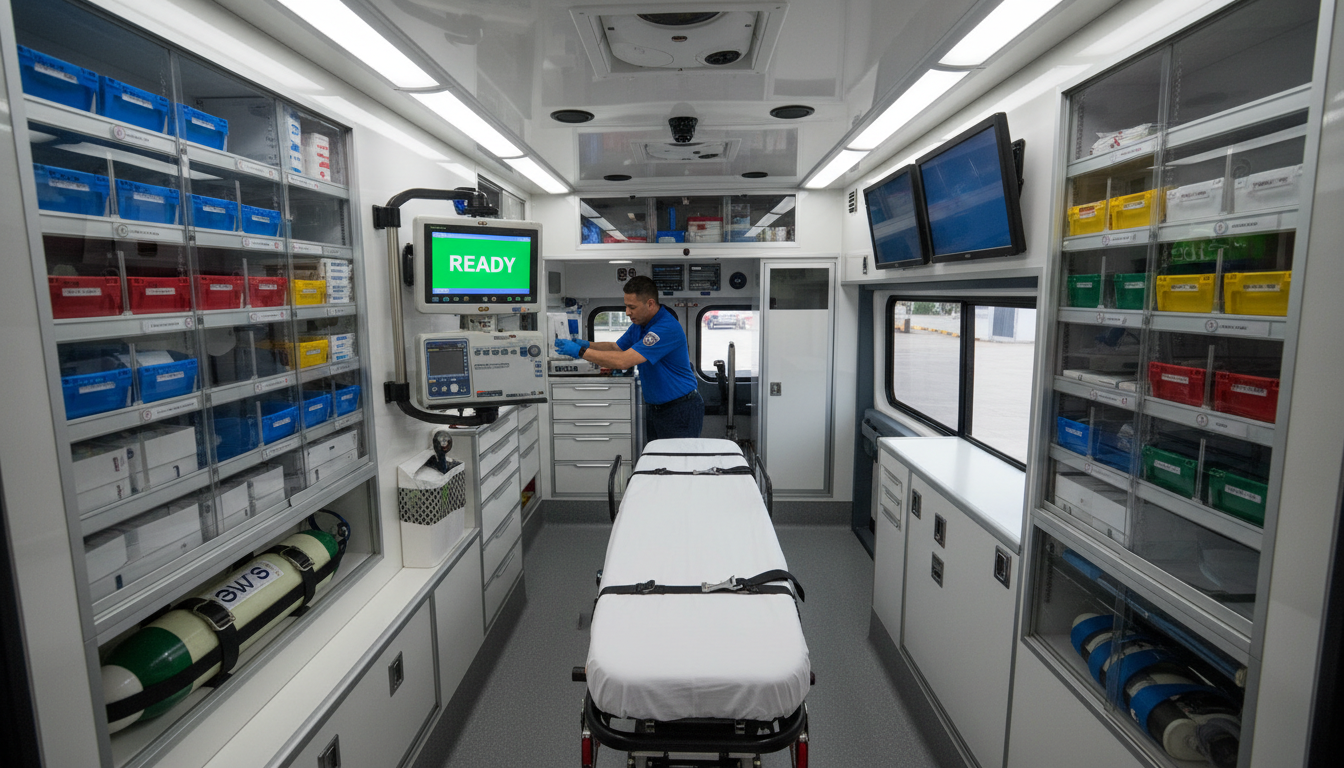
Regular maintenance of vehicle lifts is vital to ensure longevity and operational efficiency. Routine checks and servicing can prevent unexpected malfunctions during critical situations. Maintenance tasks include inspecting hydraulic systems, testing electrical components, and lubricating moving parts.
Adhering to safety measures is equally important. Ambulance operators should be trained on the correct use of lifts to minimize risks and enhance patient safety. Regular safety drills and updates on best practices can be beneficial for the entire medical team.

Benefits of Vehicle Lifts in Ambulances
The integration of vehicle lifts in ambulances offers numerous advantages. They not only streamline patient transfer but also reduce the physical strain on medical personnel, allowing them to focus on providing care. Additionally, lifts can accommodate a wide range of patient needs, from stretchers to wheelchairs.
Enhanced accessibility is another significant benefit, ensuring that patients with varying degrees of mobility can be transported with ease. This feature is particularly important in serving diverse communities with different medical requirements.
Conclusion
Investing in vehicle lift installation for ambulances is a step towards improving emergency services and patient care. By understanding the types, installation process, and maintenance needs, ambulance services can ensure they are equipped to handle any emergency efficiently. This investment not only benefits patients but also enhances the overall effectiveness of medical response teams.