
Case Study: Enhancing Ambulance Accessibility with Advanced Taillifts
Introduction to Ambulance Accessibility
In emergency medical services, accessibility is a crucial factor that can significantly impact patient outcomes. The ability to quickly and safely transport patients is paramount, and this is where advanced taillifts play a vital role. Modern taillifts have revolutionized the way ambulances operate, providing enhanced accessibility and efficiency.
The Need for Advanced Taillifts
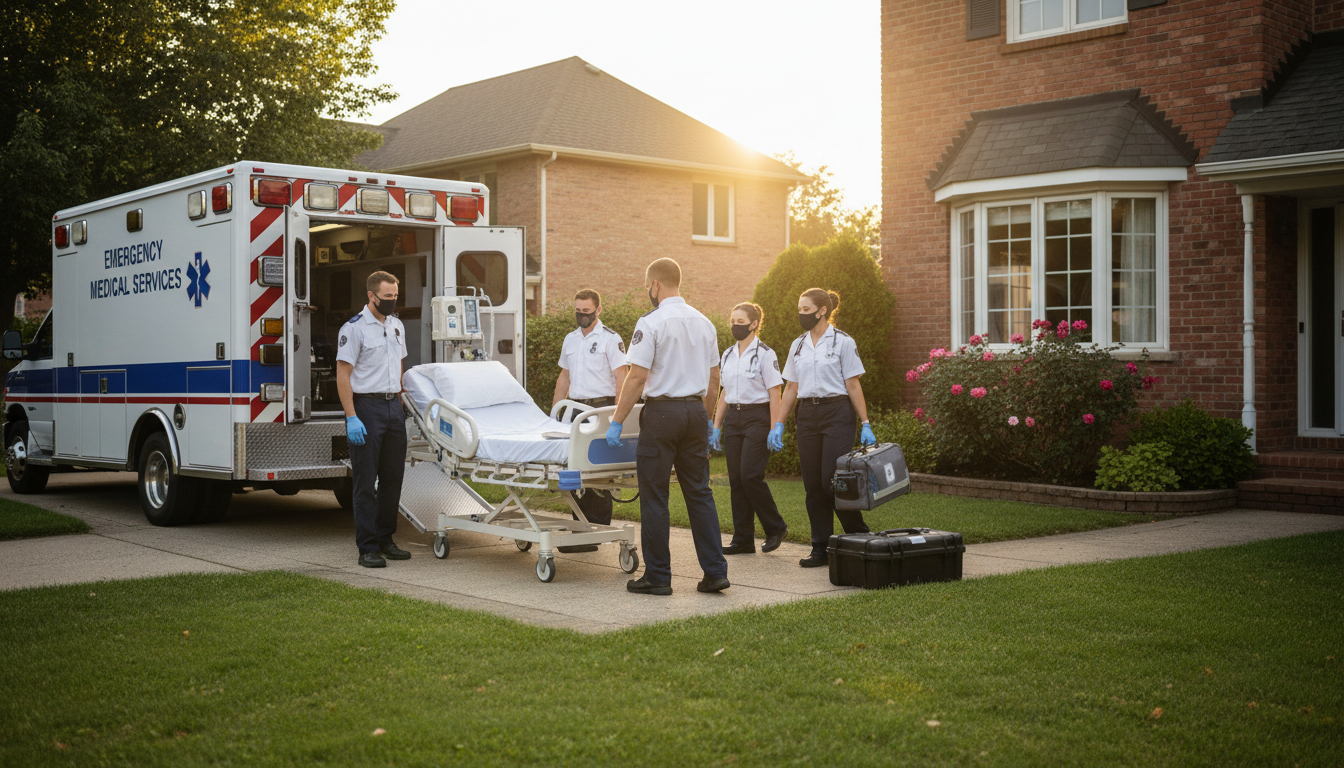
Traditional ambulance designs often face challenges in loading and unloading patients, especially those with mobility issues. Advanced taillifts address these challenges by offering automated and user-friendly solutions. These systems enable seamless patient transfers and ensure that medical personnel can focus on providing care rather than struggling with equipment.
By integrating advanced taillifts, ambulance services can improve response times and enhance patient safety. The ease of operation and reliability of these systems are crucial for emergency scenarios where every second counts.
Features of Modern Taillifts
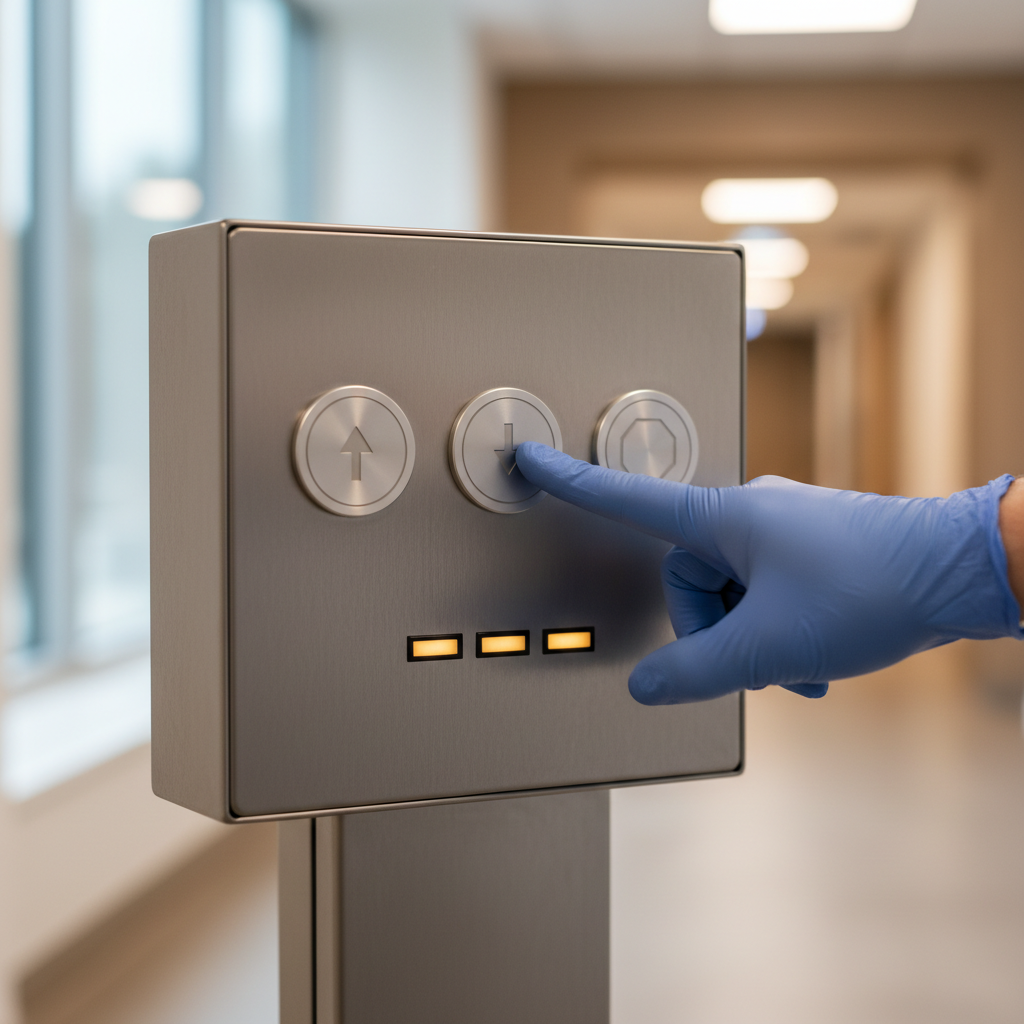
Modern taillifts come equipped with several features that make them indispensable in emergency medical settings. Some of these include:
- Automated Operation: Simplifies the loading process with minimal manual intervention.
- High Weight Capacity: Capable of handling a wide range of patient sizes and weights.
- Safety Mechanisms: Includes features like anti-slip surfaces and secure locking systems.
Impact on Patient Care
The integration of advanced taillifts in ambulances has a profound impact on patient care. By ensuring quicker and safer transfers, patient comfort is significantly increased, and the risk of injury during transport is minimized. This is especially important for patients with critical conditions who require immediate medical attention.
Furthermore, these systems allow medical staff to maintain their focus on patient care rather than logistical challenges, thus improving overall service quality.
Case Study: Real-World Application
A recent case study involving a large metropolitan ambulance service highlighted the benefits of advanced taillifts. After implementing these systems, the service reported a 30% reduction in loading times and a noticeable improvement in patient satisfaction. The ease of use also reduced the physical strain on medical staff, resulting in lower injury rates among personnel.
Conclusion: The Future of Ambulance Accessibility
As technology continues to evolve, the role of advanced taillifts in ambulances will likely expand. These systems are not just about convenience; they are a crucial component in enhancing emergency medical services. By investing in such innovations, ambulance providers can ensure that they are prepared to offer the highest level of care to those in need.
Ultimately, the widespread adoption of advanced taillifts represents a significant step forward in making emergency medical services more efficient and accessible, benefiting both patients and healthcare providers alike.