
Case Study: Enhancing Minibus Accessibility in Grimsby Schools
Introduction
In recent years, accessibility in school transportation has become a pressing issue. With a growing emphasis on inclusivity, Grimsby schools have been working to enhance minibus accessibility for all students. This case study explores the strategies implemented and the positive impacts on the community.
The Need for Accessible Transportation
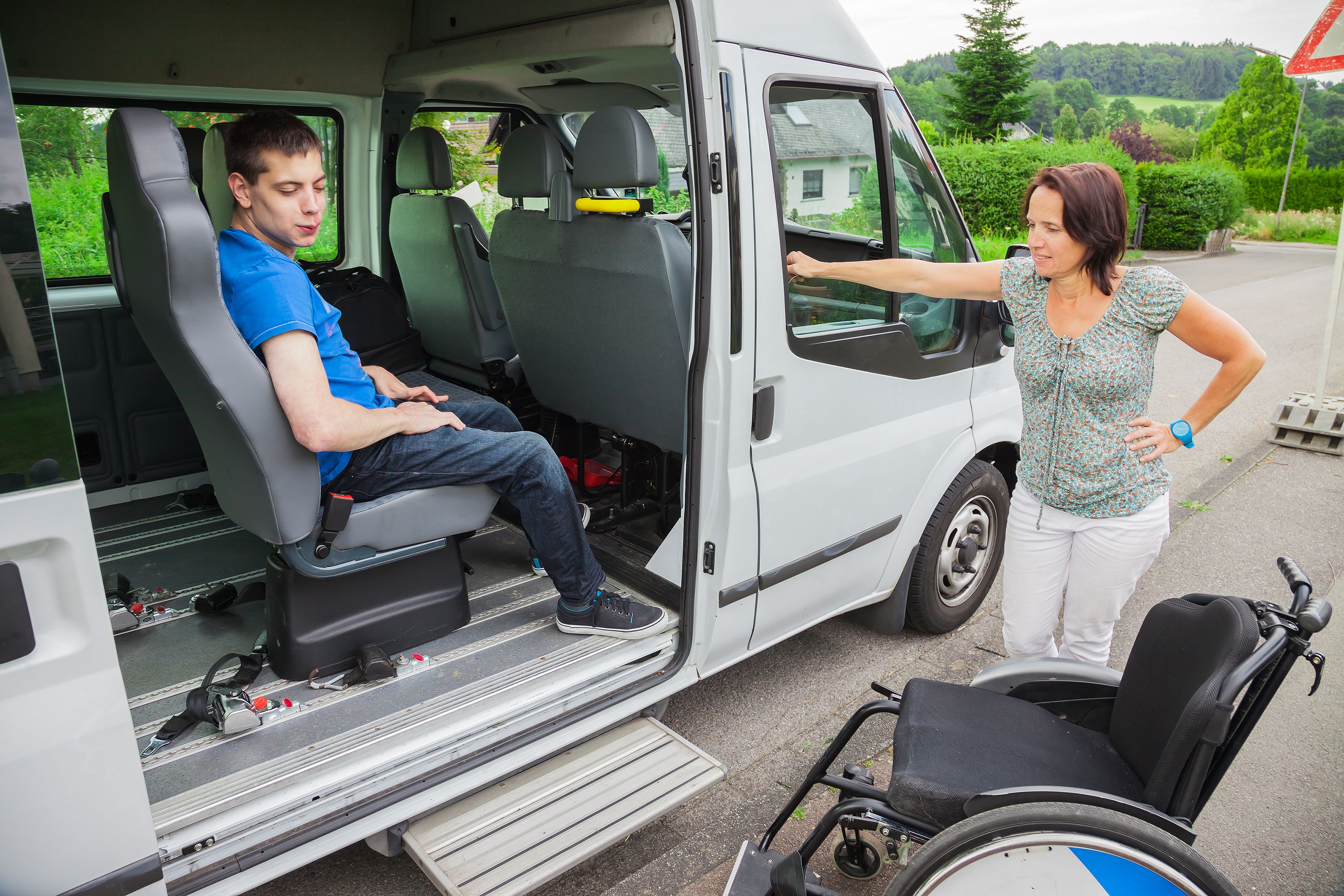
Grimsby schools identified a significant gap in their transportation services. Many students with disabilities faced challenges in attending school and participating in extracurricular activities. The lack of accessible minibuses was a barrier to inclusivity, highlighting the urgent need for change.
Challenges Faced
Prior to the initiative, schools struggled with several challenges:
- Lack of funding for specialized vehicles
- Limited awareness about the needs of students with disabilities
- Inadequate training for drivers and staff
Implementing Change
Grimsby schools embarked on a comprehensive plan to enhance minibus accessibility. The initiative involved collaboration with local government, community organizations, and parents. By pooling resources and expertise, they were able to address the challenges effectively.
Key Strategies
Several strategies were employed to improve accessibility:
- Securing funding for wheelchair-accessible minibuses
- Conducting driver and staff training on accessibility needs
- Incorporating feedback from students and parents
Impact on Students and Community
The introduction of accessible minibuses had a profound impact on students with disabilities. They experienced increased independence, improved attendance, and greater participation in school activities. This initiative also fostered a more inclusive and accepting school environment.

Community Feedback
The response from the community has been overwhelmingly positive. Parents expressed gratitude for the enhanced transportation options, and students reported feeling more valued and included. The initiative's success has inspired other regions to consider similar strategies.
Conclusion
Grimsby schools' efforts to enhance minibus accessibility have set a benchmark for inclusive education. By addressing the transportation needs of all students, they have not only improved accessibility but also nurtured a sense of belonging and equality. This case study serves as a model for other schools aiming to create an inclusive educational environment.