
Choosing the Right Vehicle Taillift: A Buyer's Guide
Choosing the right vehicle taillift is crucial for businesses that rely on efficient loading and unloading processes. Whether you're in logistics, retail, or any industry requiring transport of goods, a well-chosen taillift can enhance your operations significantly.
Understanding Your Needs
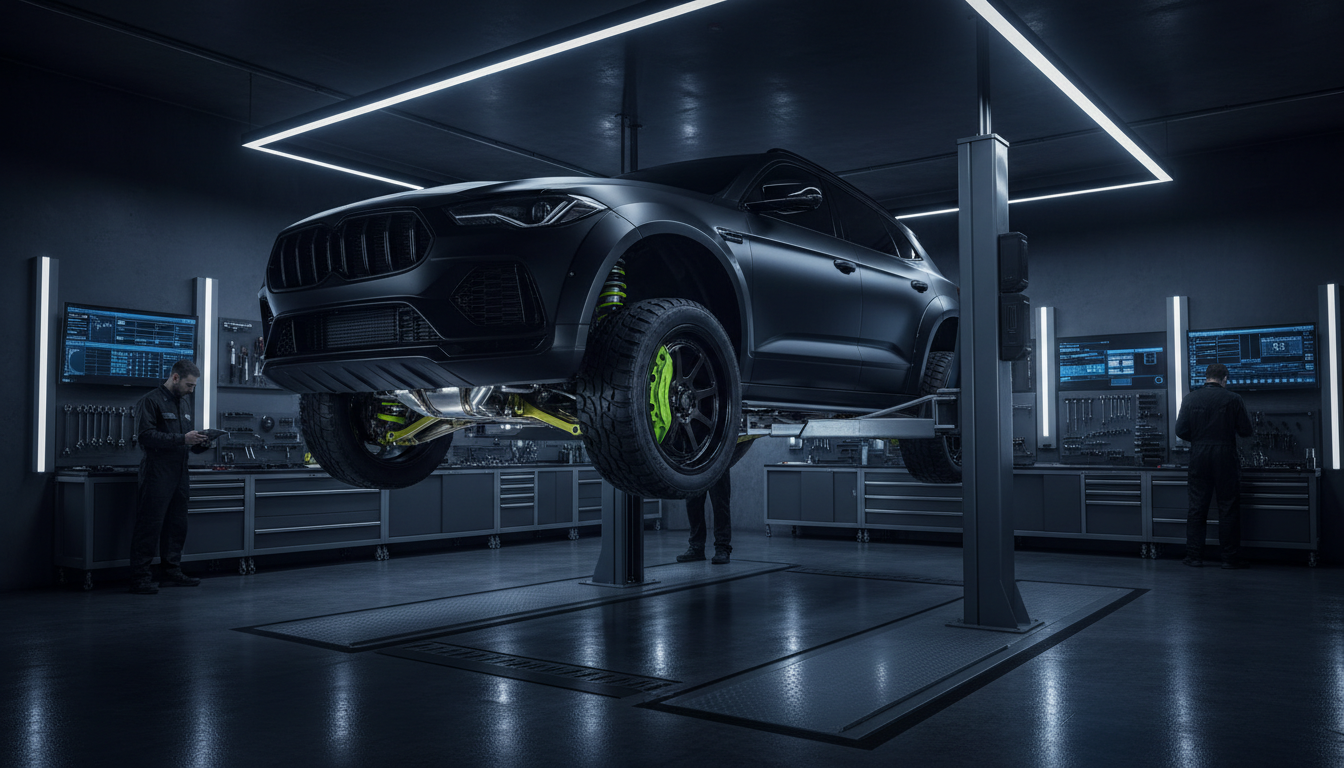
Before diving into specific models, it's essential to understand your business requirements. Consider the types of goods you'll be transporting and the frequency of use. Businesses handling heavy or bulky items will require a taillift with a higher weight capacity and robust design.
Weight Capacity
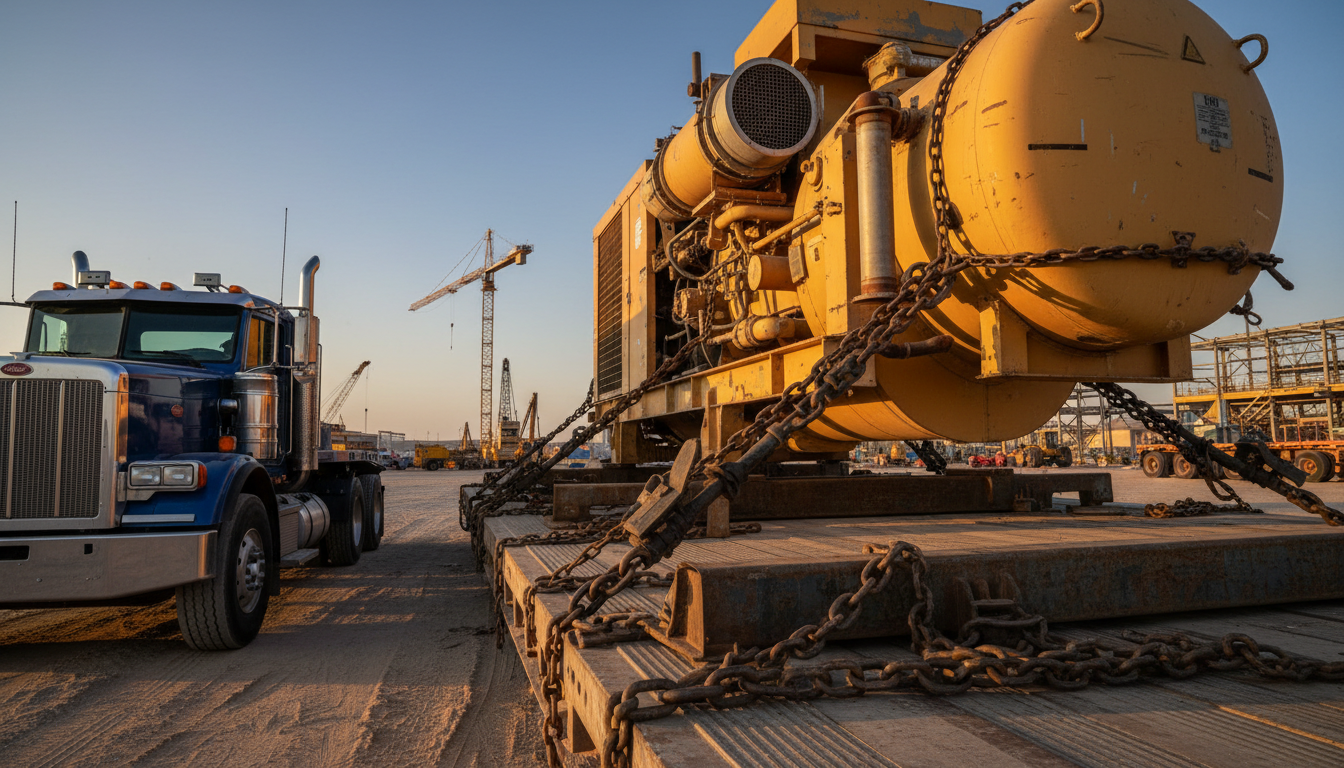
Selecting a taillift with the appropriate weight capacity is vital. Overloading can lead to mechanical failures and safety hazards. Generally, taillifts range from 500 kg to 2500 kg in capacity. Evaluate your typical load sizes and choose accordingly.
Types of Taillifts
Several types of taillifts are available, each suited to different needs:
- Column Lifts: Ideal for vans and small trucks, offering compact design and efficiency.
- Cantilever Lifts: Provide a stable platform, excellent for uneven terrains.
- Slider Lifts: Known for versatility, suitable for varied loading dock heights.
Understanding the specific type that aligns with your vehicle and operational needs is crucial for optimal performance.

Installation and Maintenance
Proper installation is key to ensuring the longevity and functionality of your taillift. It's advisable to work with certified professionals who understand the nuances of your vehicle type and the taillift model.
Regular Maintenance
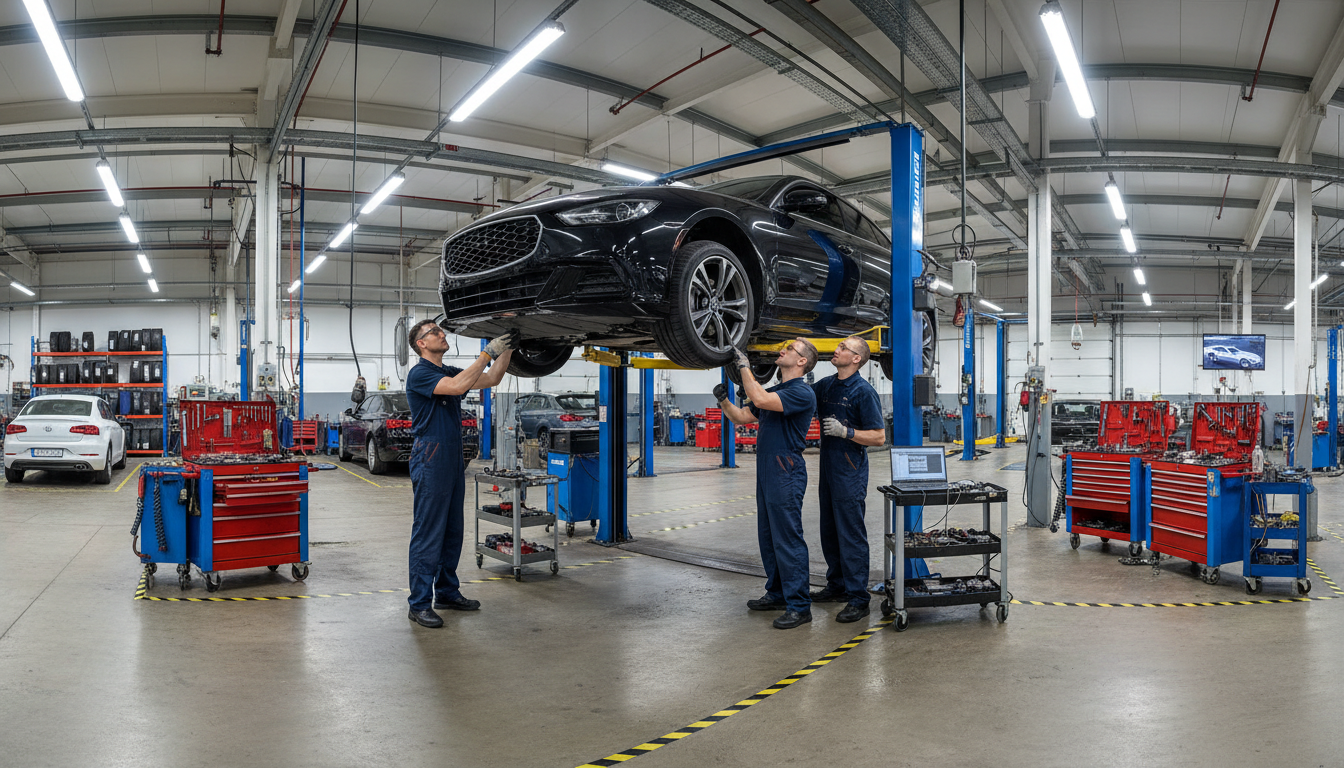
Regular maintenance checks are essential to keep the taillift in optimal condition. Establish a routine schedule to inspect hydraulic systems, electrical components, and the structural integrity of the lift. Timely maintenance can prevent costly repairs and downtime.
Budget Considerations
While it's tempting to opt for the most affordable option, consider the long-term value and durability of the taillift. Investing in a quality product can reduce future repair costs and ensure better safety and efficiency.
Factor in installation costs, potential repairs, and maintenance when planning your budget. Sometimes, spending a bit more upfront can lead to significant savings down the line.
Conclusion
Choosing the right vehicle taillift involves understanding your specific needs, selecting the appropriate type, and considering installation and maintenance requirements. By carefully evaluating these factors, you can enhance your operational efficiency and ensure the safety of your transport processes.