
Comprehensive Guide to Taillift Installation in the UK
Understanding Taillifts
Taillifts are essential for many businesses in the UK, providing a safe and efficient way to load and unload goods. They are commonly used in logistics, retail, and manufacturing industries. A taillift can significantly enhance your vehicle's functionality, making it easier to handle heavy loads with minimal physical effort.
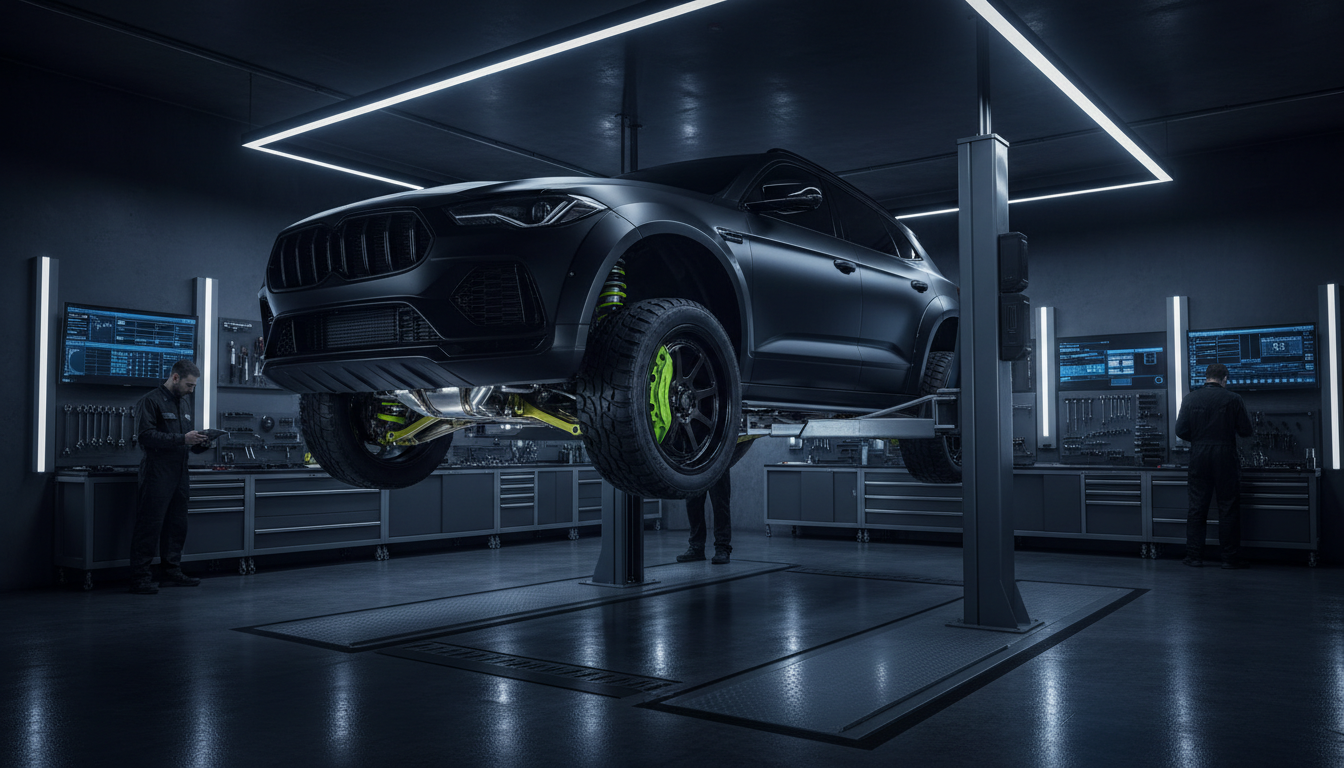
Before diving into the installation process, it’s crucial to understand the different types of taillifts available. The most common types include column lifts, cantilever lifts, and tuckaway lifts. Each type has its unique features and is suited for specific needs.
Choosing the Right Taillift
Selecting the appropriate taillift is vital for efficiency and safety. Consider factors such as the weight of the loads you intend to lift, the type of vehicle you have, and the operational environment. Consulting with a professional can provide valuable insights to ensure you make the right choice.
Factors to Consider
- Load Capacity: Ensure the taillift can handle the maximum weight you’ll be lifting.
- Vehicle Compatibility: Check if the taillift is suitable for your vehicle's make and model.
- Usage Environment: Think about where and how often you’ll use the lift.
Installation Process
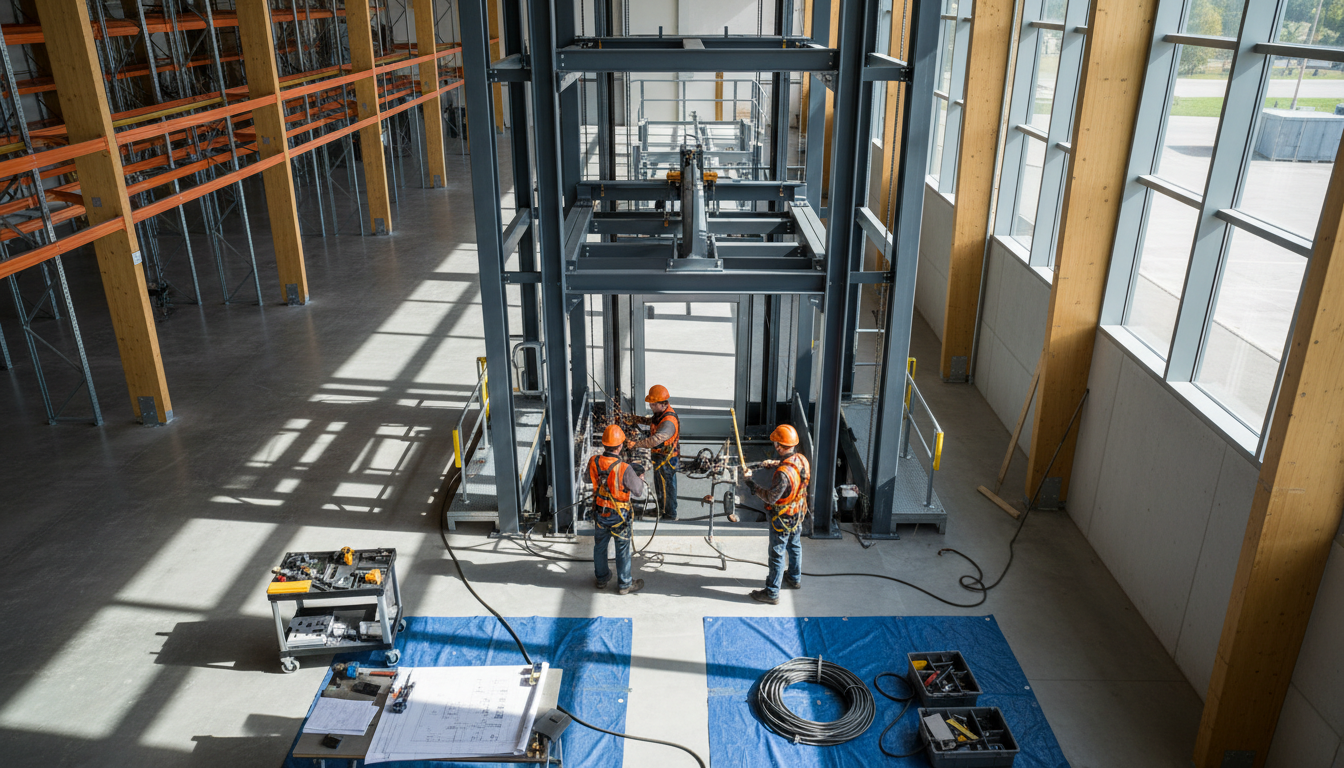
The installation of a taillift should be carried out by a qualified professional to ensure safety and compliance with UK regulations. Here’s a general overview of what the process entails:
Preparation
Before installation, the vehicle should be thoroughly inspected. This includes checking the chassis and ensuring there’s no structural damage. The installation area should also be clean and free of obstructions.
Mounting the Taillift
- Position the lift correctly according to the manufacturer's guidelines.
- Secure the lift to the vehicle's chassis using the provided brackets and bolts.
- Connect hydraulic or electrical systems as required.
Compliance and Safety
In the UK, taillift installations must comply with specific safety standards. Regular maintenance and inspections are required to ensure ongoing safety. It’s important to keep a record of all maintenance activities and address any issues promptly.
Regular Maintenance
Routine checks should include inspecting hydraulic systems, testing operational controls, and ensuring all bolts and connections are secure. Adhering to a regular maintenance schedule can prevent costly repairs and extend the life of your taillift.
Conclusion
Installing a taillift in the UK requires careful consideration of various factors, from choosing the right type to ensuring compliance with safety standards. By understanding the process and consulting with professionals, businesses can enhance their operations and ensure the safety of their employees.
Investing in a quality taillift and maintaining it properly can lead to improved efficiency and a safer working environment. Take the time to evaluate your needs and make informed decisions to maximize the benefits of your taillift.