
How Do Cassette Lifts Work? A Comprehensive Breakdown
Introduction to Cassette Lifts
Cassette lifts have become an essential tool in various industries, providing efficient and versatile solutions for lifting and transporting goods. These innovative systems offer numerous advantages, from space-saving designs to enhanced safety features. Understanding how they work can help businesses maximize their utility and efficiency.
A cassette lift is essentially a compact lifting mechanism housed within a casing or "cassette." This clever design allows for easy installation and maintenance, making it a popular choice for warehouses, factories, and other industrial settings.
Components of a Cassette Lift
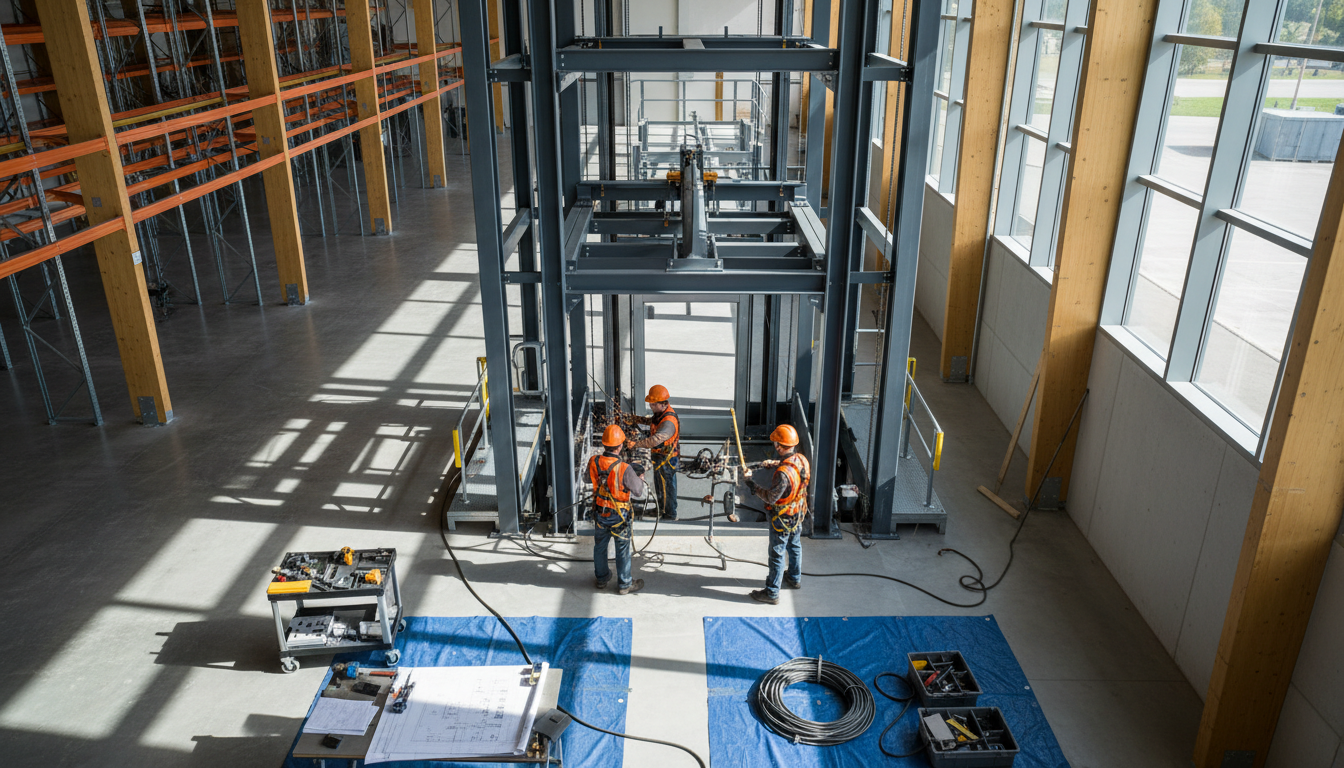
At the core of a cassette lift system are several key components that work together to provide reliable performance. These include:
- Motor: Powers the lift, enabling smooth and controlled movement.
- Platform: The surface where goods are placed for lifting.
- Guide Rails: Ensure stability and precision during operation.
- Control Panel: Allows operators to manage lift functions easily.
Each component is designed to withstand heavy use, ensuring the lift remains operational even under demanding conditions.
How Cassette Lifts Operate
The operation of a cassette lift is straightforward yet highly effective. Here's a step-by-step breakdown:
- Loading: Goods are placed onto the platform.
- Activation: The operator uses the control panel to activate the lift.
- Lifting: The motor engages, raising the platform along the guide rails.
- Unloading: Once at the desired height, goods are unloaded.
Advantages of Cassette Lifts
Cassette lifts offer several advantages that make them a preferred choice for many businesses:
- Space Efficiency: The compact design allows for installation in tight spaces.
- Safety: Features like emergency stops and overload protection enhance operational safety.
- Versatility: Suitable for various applications, from light to heavy-duty lifting.
These benefits contribute to increased productivity and reduced operational costs.
Maintenance and Care
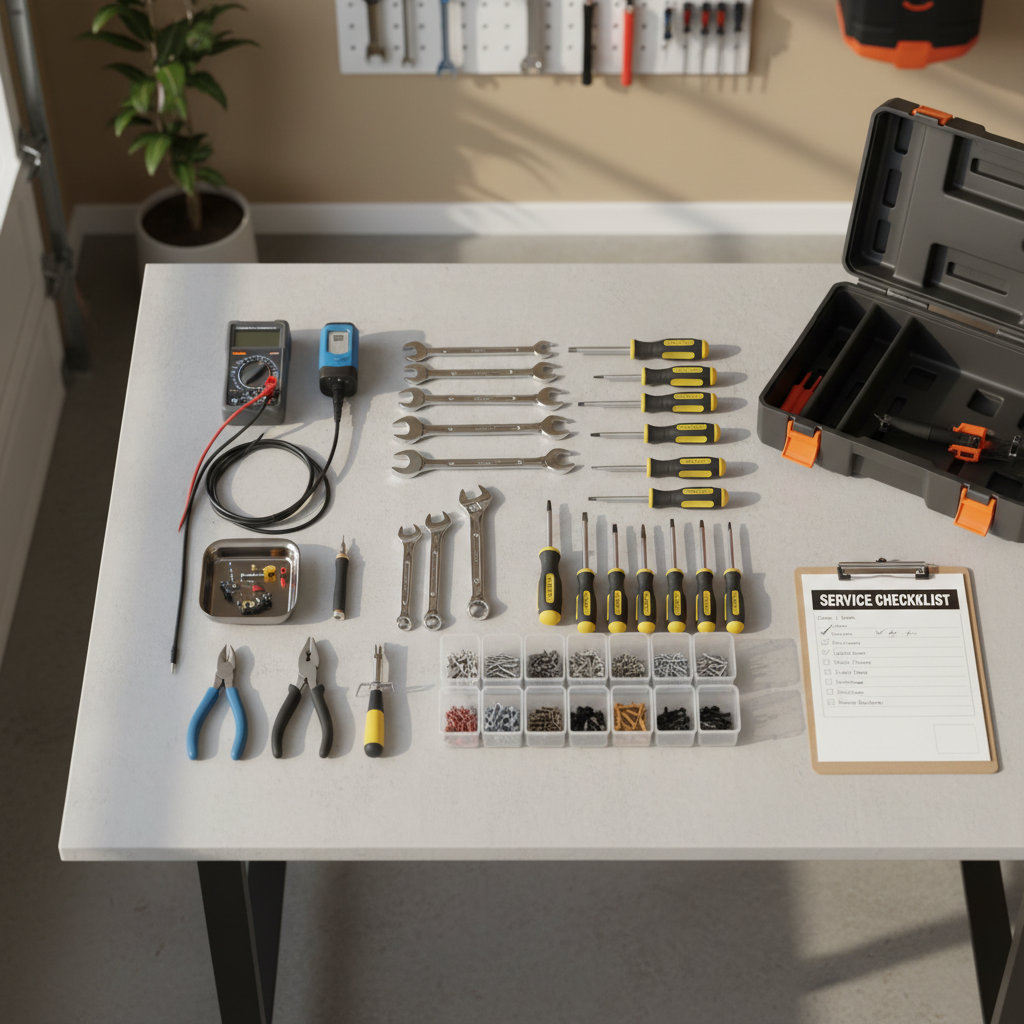
Proper maintenance is crucial to ensuring the longevity and performance of cassette lifts. Regular inspections and timely servicing can prevent potential issues from escalating. Key maintenance tasks include:
- Checking motor and control systems for functionality.
- Inspecting guide rails and platform for wear and tear.
- Ensuring all safety features are operational.
Conclusion
Cassette lifts are a valuable asset in any industrial setting, offering a blend of efficiency, safety, and versatility. By understanding their operation and maintaining them properly, businesses can leverage these systems to enhance productivity and streamline their operations.
As industries continue to evolve, the demand for reliable and effective lifting solutions like cassette lifts is only set to increase, making them a critical component of modern industrial infrastructure.