
How to Maintain Your Taillift for Long-Term Use
Regular Inspection
Maintaining your taillift for long-term use begins with regular inspections. These should be conducted weekly to ensure that all components are functioning properly. Look for signs of wear and tear, such as frayed cables or damaged hydraulic lines. Identifying these issues early can prevent costly repairs down the line.
Check Hydraulic Systems
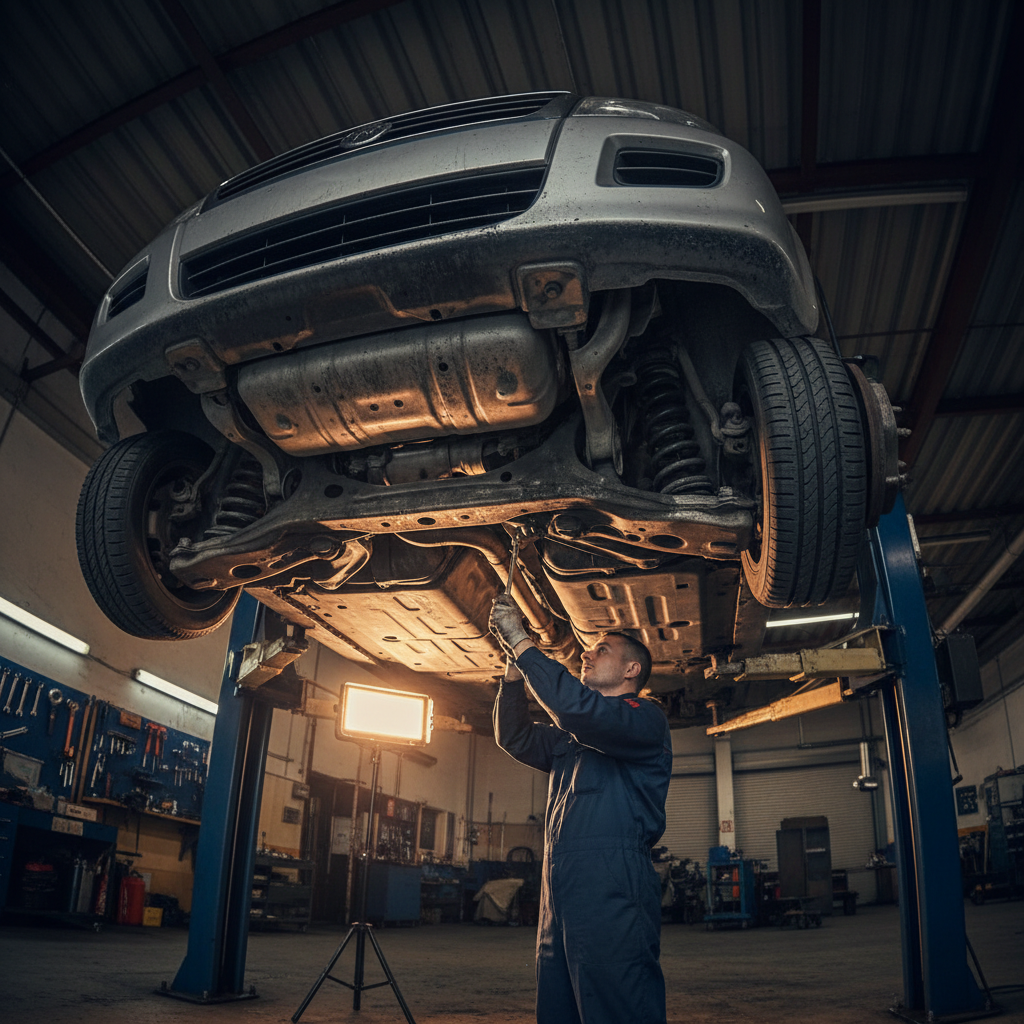
The hydraulic system is the heart of your taillift. Regularly check for any leaks in hoses or cylinders, as these can lead to decreased performance. Ensure that the hydraulic fluid levels are adequate and replace the fluid as recommended by the manufacturer. This not only keeps the system running smoothly but also prolongs its lifespan.
Lubrication
Proper lubrication of moving parts is essential to avoid friction and wear. Use the recommended grease or oil for your specific taillift model. Focus on hinges, joints, and pivot points, applying lubrication at least once a month. This will help maintain smooth operation and prevent rust.

Inspect Electrical Components
Electrical components are just as crucial as mechanical ones. Regularly check wiring and connections for any signs of corrosion or damage. Ensure that the battery is fully charged and in good condition. Replace any faulty fuses or switches immediately to avoid operational failures.
Cleanliness
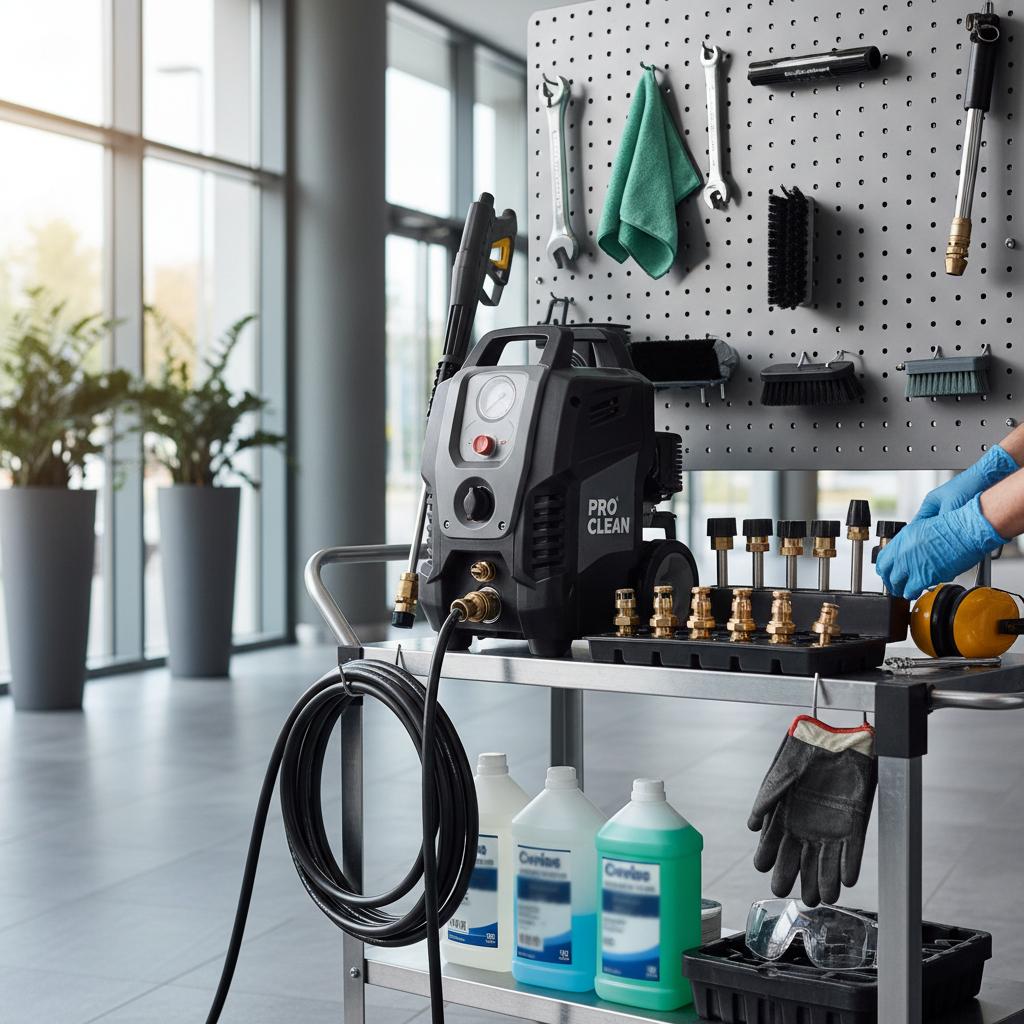
Keeping your taillift clean is often overlooked but vital. Dirt and debris can accumulate and cause mechanical issues. Regularly wash the taillift to remove any buildup and prevent corrosion. Pay particular attention to the base and lifting platform, where debris is most likely to collect.
Test Safety Features
Safety features such as emergency stop buttons and safety chains must be tested regularly. Ensure that these features are functioning correctly as they are critical for operator safety. Address any issues immediately to maintain compliance with safety regulations.
Training and Documentation
Proper training for operators ensures that the taillift is used correctly, reducing the risk of damage. Keep a detailed record of all maintenance activities, inspections, and repairs. This documentation can be invaluable in diagnosing issues and planning future maintenance.

Professional Servicing
Even with regular maintenance, professional servicing is essential. Schedule an annual service with a certified technician to conduct a thorough inspection and address any complex issues. This ensures that your taillift remains in peak condition and extends its useful life.
- Perform regular inspections and maintenance.
- Focus on hydraulics, lubrication, and electrical systems.
- Keep the taillift clean and test safety features.
- Provide proper training and maintain detailed records.
- Schedule professional servicing annually.