
How to Maintain Your Taillift for Optimal Performance
Understanding the Importance of Taillift Maintenance
Regular maintenance of your taillift is crucial to ensure optimal performance and longevity. By keeping it in top condition, you not only enhance safety but also prevent unexpected breakdowns that could disrupt your operations. A well-maintained taillift can save you time and money in the long run.
Daily Checks
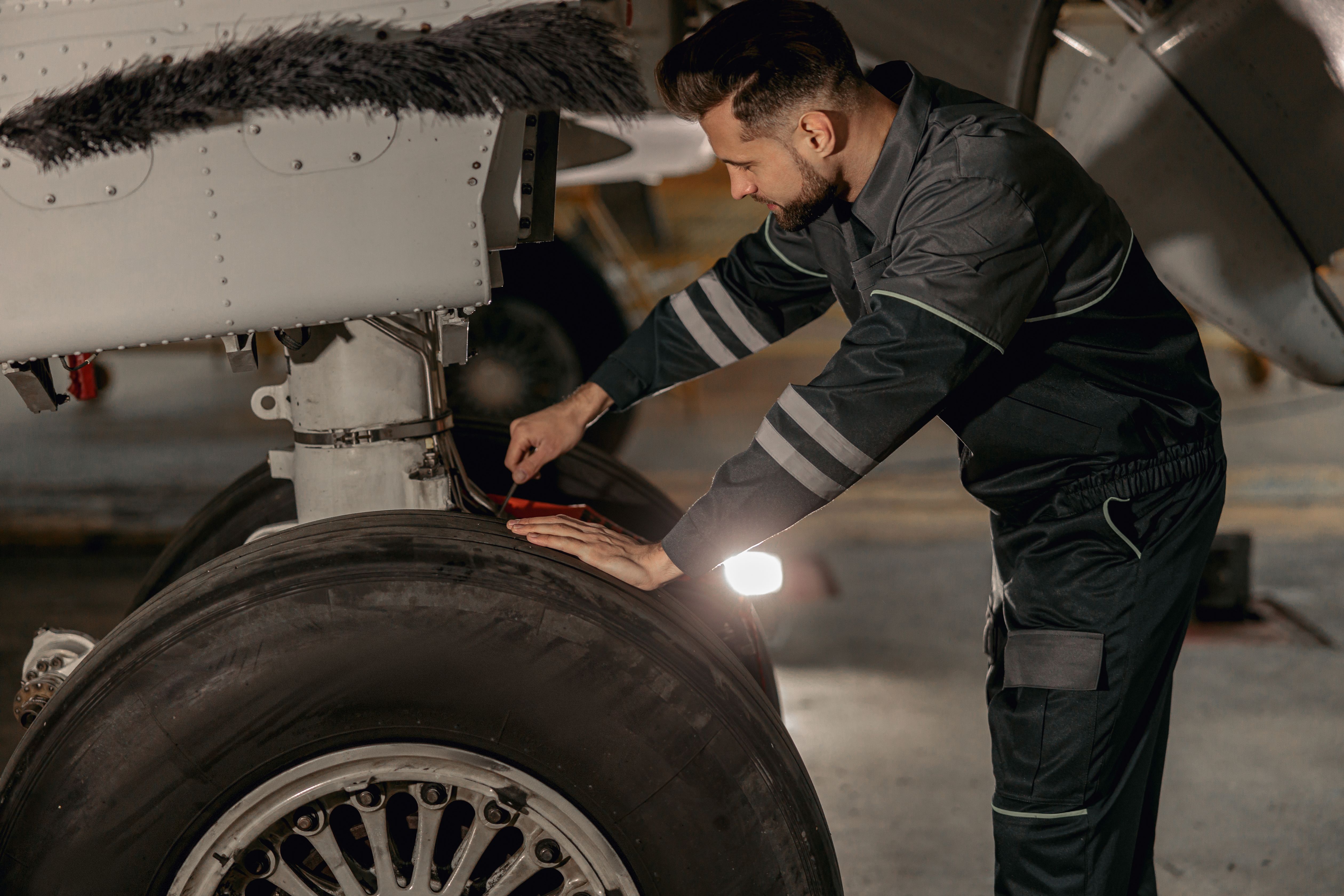
Incorporating daily checks into your routine can make a significant difference. Start by inspecting the taillift for any visible damage or wear. Check for hydraulic leaks, unusual noises, or vibrations during operation. Ensure all lights and indicators are functioning correctly. These simple checks can help identify potential issues before they escalate.
Regular Cleaning
Keeping your taillift clean is essential for preventing dirt and debris from affecting its components. Regularly wash the taillift with appropriate cleaning solutions, paying attention to areas prone to grime build-up. This practice not only keeps the equipment looking good but also enhances its operational efficiency.

Scheduled Maintenance
Schedule regular maintenance with a professional technician to conduct thorough inspections and servicing. This should include checking hydraulic fluid levels, lubricating moving parts, and assessing the condition of electrical components. Following the manufacturer’s maintenance guidelines ensures the taillift operates at its best.
Hydraulic System Care
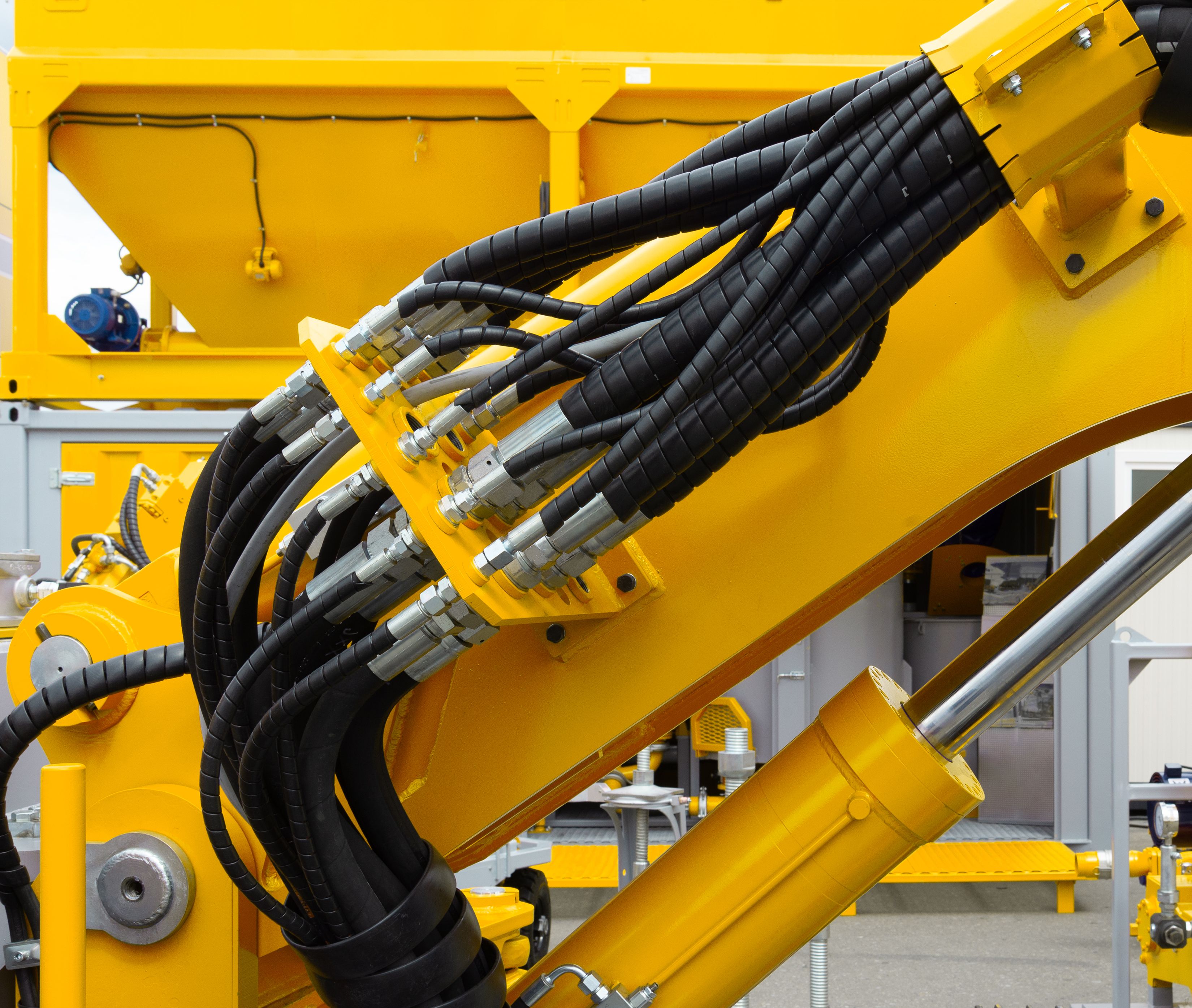
The hydraulic system is the lifeblood of your taillift. Regularly check for leaks and ensure the hydraulic fluid is at the correct level. Replace the fluid as recommended by the manufacturer to maintain optimal performance. Any issues with the hydraulic system should be addressed immediately to prevent major malfunctions.
Addressing Wear and Tear
All mechanical systems experience wear and tear over time, and taillifts are no exception. Regularly inspect key components such as the platform, chains, and rollers for signs of wear. Replacing worn parts promptly can prevent more extensive damage and costly repairs.
Safety Measures
Ensuring the safety of operators is paramount. Regularly update your safety protocols and provide adequate training for all personnel using the taillift. Emphasize the importance of reporting any irregularities immediately. A well-informed team contributes to safer and more efficient operations.
Documenting Maintenance Activities
Keep a detailed record of all maintenance activities, including inspections, repairs, and replacements. This documentation helps track the taillift’s condition and can be invaluable for diagnosing recurring issues. It also assists in adhering to warranty requirements and compliance standards.
By following these maintenance tips, you can ensure your taillift remains in excellent condition, providing reliable performance and enhancing the safety of your operations. Consistent care and attention to detail will maximize the lifespan of your equipment, making it a valuable asset for your business.