
Myth-Busting: Common Misconceptions About Taillift Maintenance
Introduction to Taillift Maintenance
Maintaining a taillift is crucial for ensuring the safety and efficiency of commercial vehicles. Despite its importance, several misconceptions persist about how taillifts should be maintained. In this blog post, we'll debunk these myths and offer insights into proper taillift care.
Myth 1: Taillifts Require Minimal Maintenance
One common misconception is that taillifts are low-maintenance components. In reality, they require regular checks and servicing to function correctly. Neglecting maintenance can lead to costly repairs or even accidents.
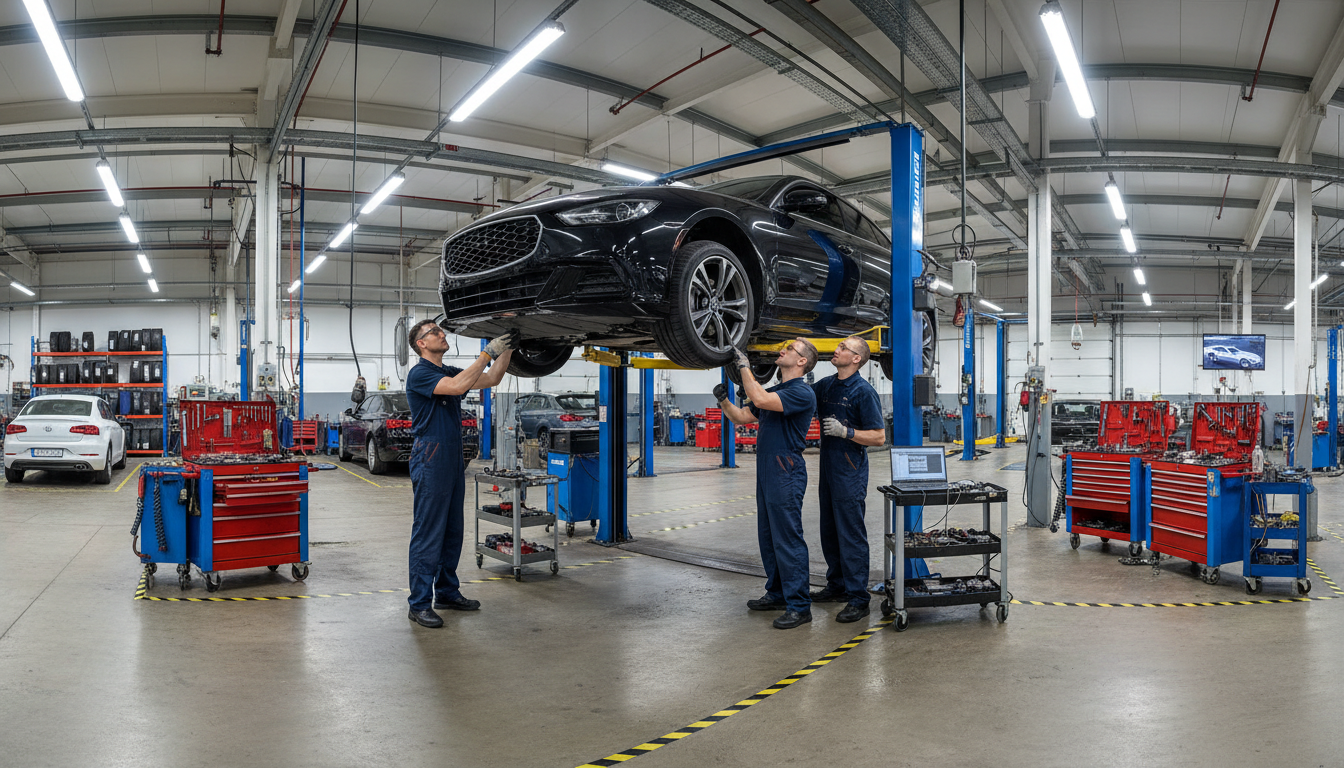
Regular inspections can help identify potential issues before they become serious. This includes checking hydraulic systems, electrical connections, and mechanical parts. A proactive approach ensures longevity and reliability.
Myth 2: All Taillift Parts Are the Same
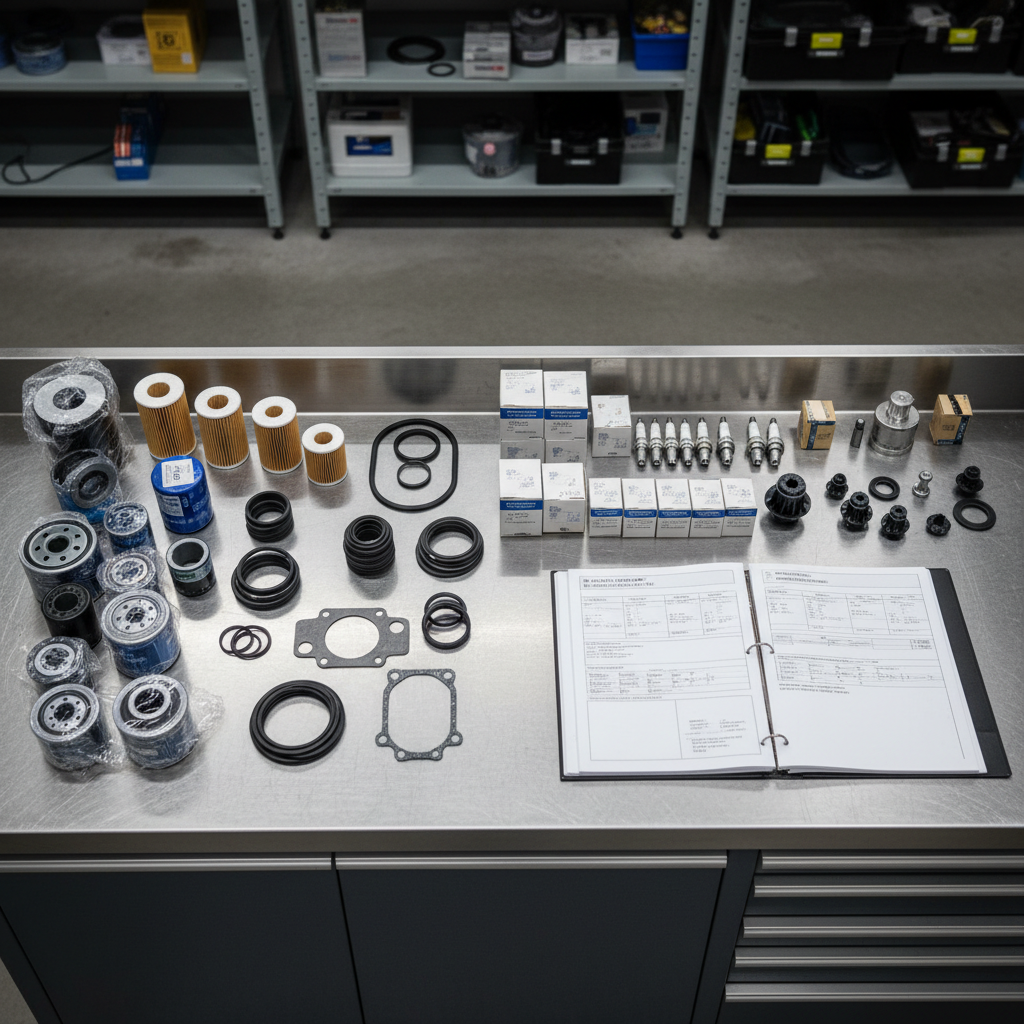
Another misunderstanding is believing that all taillift parts are interchangeable. Each taillift model may have unique specifications and parts. Using incorrect components can lead to malfunction or void warranties.
It’s essential to refer to the manufacturer’s guidelines and consult with professionals when replacing parts. This ensures compatibility and maintains the integrity of the system.
Myth 3: Visual Inspections Are Sufficient
While visual inspections are important, they are not enough to ensure comprehensive maintenance. Some issues may not be apparent without proper tools and expertise. Relying solely on a visual check can result in overlooking hidden problems.
Engaging a qualified technician for regular inspections can identify issues that aren’t visible to the untrained eye. This thorough approach helps prevent unexpected failures.
Conclusion: The Value of Proper Maintenance
Dispelling these myths highlights the importance of understanding and performing comprehensive taillift maintenance. By adhering to correct procedures and engaging professionals, you can enhance safety and extend the lifespan of your equipment.
- Regularly schedule professional inspections.
- Use manufacturer-approved parts.
- Conduct in-depth checks beyond visual inspections.
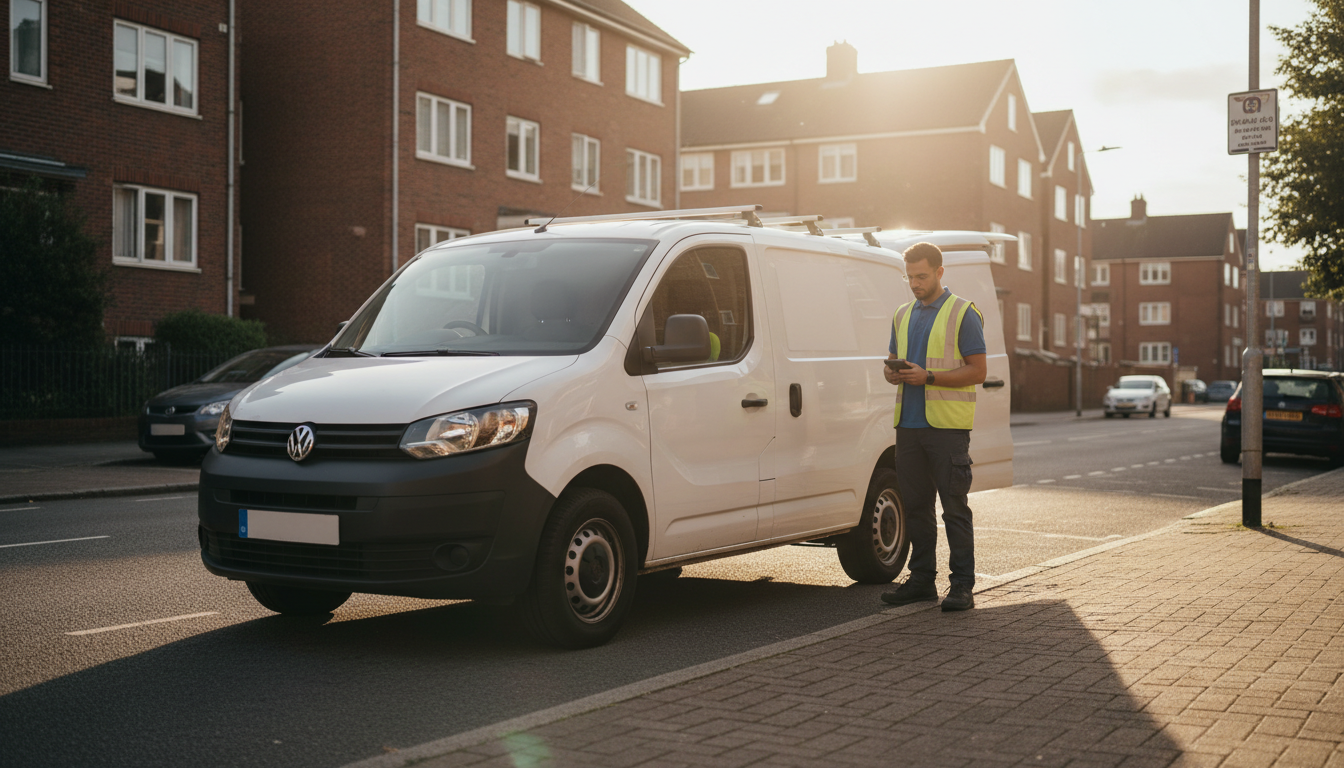
By following these guidelines, you ensure that your taillift remains in top condition, contributing to the overall efficiency and safety of your operations.