
Myth-Busting: Common Misconceptions About Vehicle Lifts for Wheelchairs
Understanding Vehicle Lifts for Wheelchairs
Vehicle lifts for wheelchairs are crucial for enhancing accessibility and independence for individuals with mobility challenges. Yet, despite their importance, several misconceptions persist about these devices. Let's delve into some of these myths and set the record straight.

Myth 1: Vehicle Lifts Are Only for Vans
A common misconception is that vehicle lifts can only be installed in vans. In reality, many modern lifts are designed for a variety of vehicles, including SUVs, trucks, and sedans. This flexibility ensures that individuals can choose a vehicle that fits their lifestyle without compromising on accessibility.
Advancements in technology have enabled the development of compact lifts that work efficiently in smaller vehicles. This means more options for those needing a lift, expanding both convenience and choice.
Myth 2: Installation Is Complicated and Time-Consuming
Some believe that installing a vehicle lift is a complex, lengthy process. While it does require professional installation, many lifts are designed for quick and seamless integration with your vehicle. Skilled technicians can often complete the process in just a few hours, minimizing downtime.
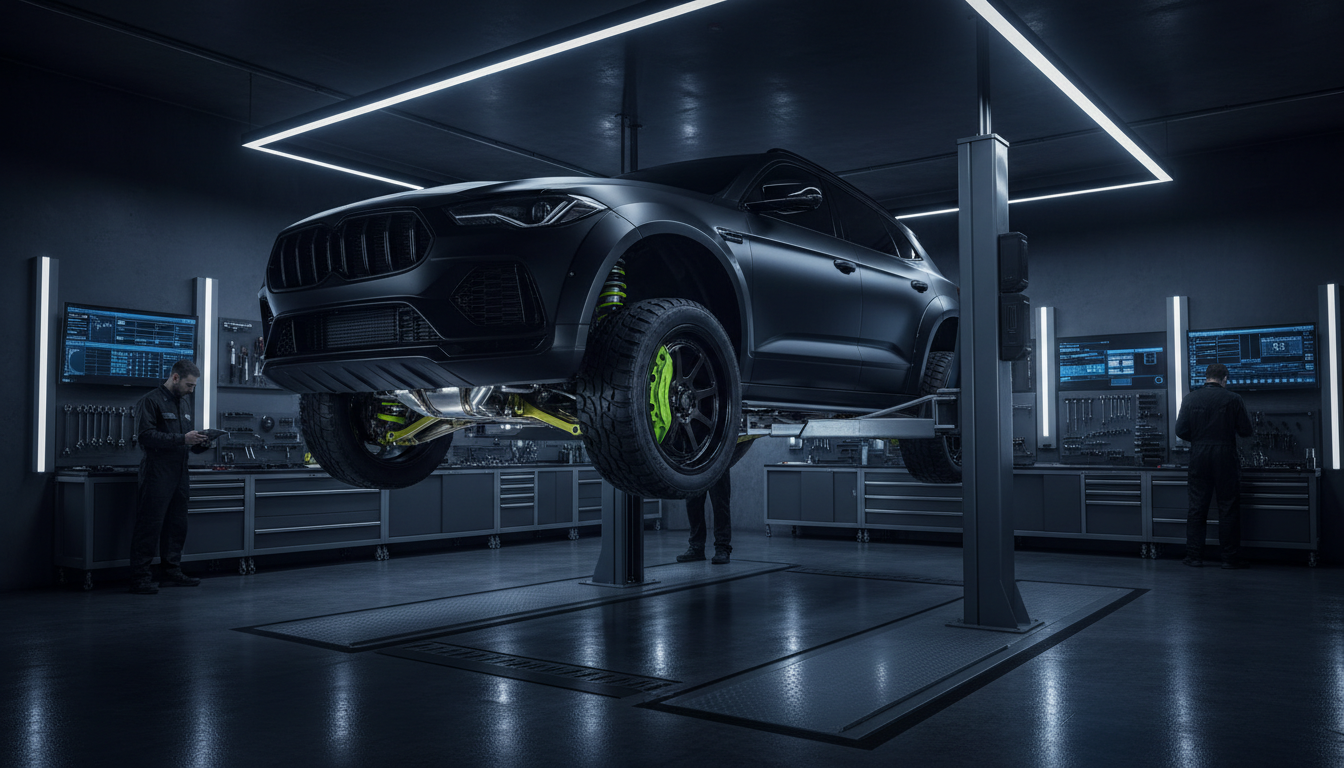
Furthermore, companies providing these services typically offer excellent customer support, ensuring that the installation process is smooth and stress-free for the user.
Myth 3: Vehicle Lifts Are Not Safe
Safety is a top priority for manufacturers of vehicle lifts. These devices are rigorously tested to meet stringent safety standards, ensuring they are reliable and secure. Features such as emergency stop buttons, safety belts, and backup power systems are now standard.
Myth 4: Vehicle Lifts Are Too Expensive
Another misconception is that vehicle lifts are prohibitively expensive. While it's true that there is an initial investment, various financial assistance options are available. Insurance, grants, and financing plans can significantly reduce the out-of-pocket cost.

Moreover, the long-term benefits of increased mobility and independence often outweigh the initial expense, offering a valuable return on investment.
Myth 5: Vehicle Lifts Require High Maintenance
Some assume that vehicle lifts demand constant maintenance. In fact, most lifts are designed for durability and ease of maintenance. Regular checks and servicing, often recommended by the manufacturer, ensure the lift remains in perfect working condition.
With proper care, these devices can last for many years, providing reliable service and peace of mind to users.
Conclusion
Dispelling these myths is essential to understanding the true benefits and capabilities of vehicle lifts for wheelchairs. By breaking down these misconceptions, we hope to encourage more people to explore these valuable tools, enhancing accessibility and independence for those who need it most.