
Navigating Local Regulations for Vehicle Taillifts in Lincolnshire
Understanding the local regulations for vehicle taillifts in Lincolnshire is essential for businesses that rely on transportation and logistics. Ensuring compliance not only helps avoid potential fines but also promotes safety and efficiency in operations. Here's a comprehensive guide to help you navigate these regulations effectively.
Understanding Vehicle Taillifts
Vehicle taillifts are hydraulic or pneumatic devices fitted to the back of trucks and vans, allowing for easier loading and unloading of goods. These devices are crucial for businesses dealing with heavy or bulky items, making operations smoother.
In Lincolnshire, as in other parts of the UK, there are specific regulations governing the use of taillifts. These rules are designed to ensure both the safety of operators and the general public.
Key Regulations in Lincolnshire
Compliance with local regulations begins with understanding the key rules set forth by the governing bodies. Here are some of the main regulations you should be aware of:
- Regular Inspections: Taillifts must undergo regular safety inspections to ensure they are functioning correctly.
- Proper Training: Operators must receive adequate training to handle taillifts safely and efficiently.
- Weight Limits: Adhere to the specified weight limits to avoid mechanical failures and accidents.
Ensuring Compliance
To ensure compliance, businesses should implement a robust maintenance schedule, including routine checks and servicing of taillifts. This not only ensures adherence to regulations but also prolongs the lifespan of the equipment.
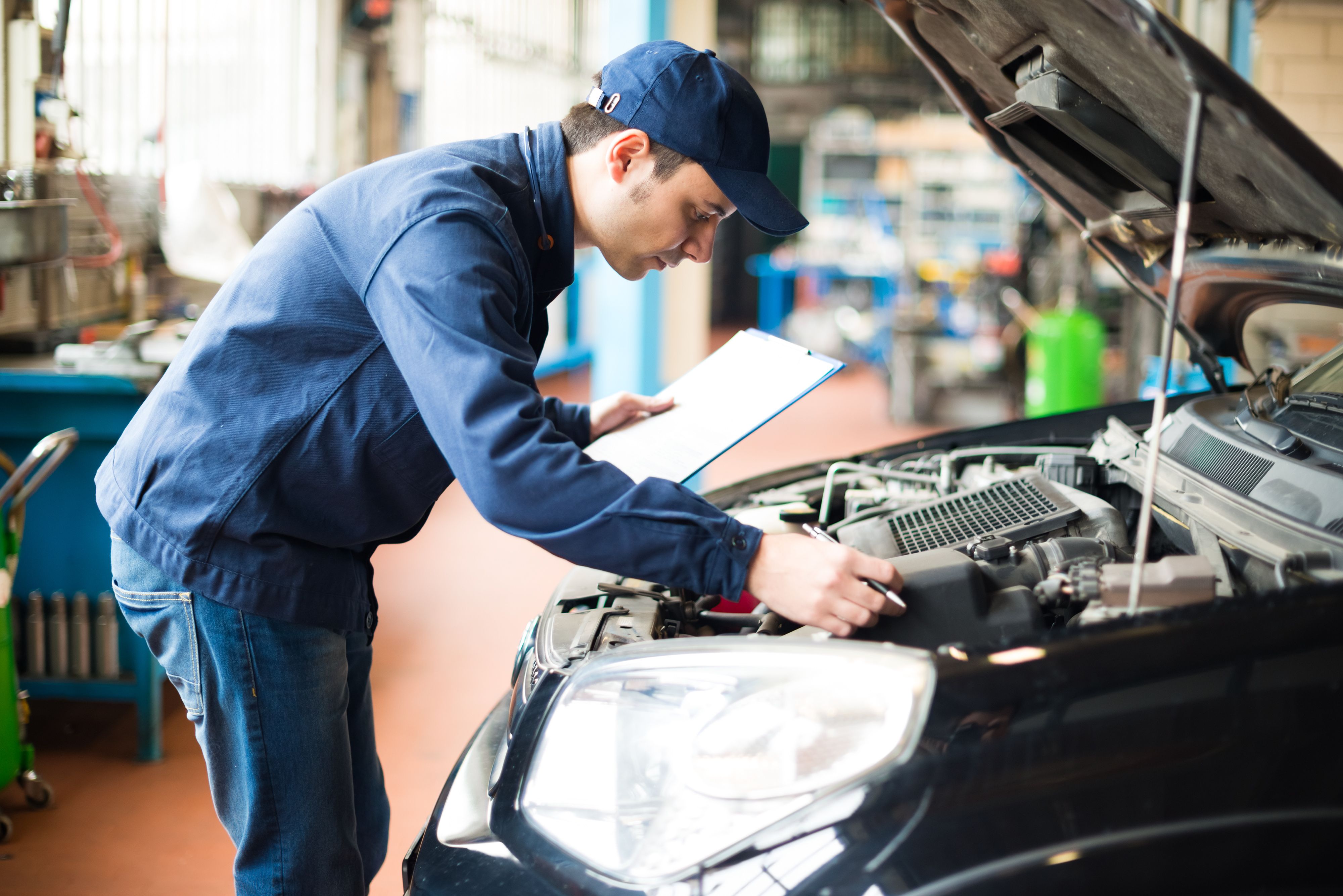
Additionally, maintaining detailed records of all inspections and repairs is crucial. These records serve as proof of compliance and can be invaluable during audits or inspections by regulatory authorities.
Training and Safety
Proper training is a cornerstone of safe taillift operation. Businesses should invest in comprehensive training programs for their staff. Topics covered should include:
- Understanding taillift mechanics and controls.
- Safe loading and unloading practices.
- Emergency procedures in case of mechanical failure.
Training not only ensures compliance but also reduces the risk of accidents and injuries, thereby protecting both employees and goods.
Benefits of Compliance
Complying with local regulations offers numerous benefits beyond just avoiding fines. It enhances operational efficiency, reduces downtime due to equipment failure, and boosts the overall safety of transportation activities.
Moreover, businesses that consistently adhere to regulations build a reputation for reliability and safety, which can be a significant competitive advantage in the logistics industry.
Staying Informed
The regulatory landscape is subject to change, making it vital for businesses to stay informed about any updates or changes in taillift regulations. Engaging with local trade associations and regulatory bodies can provide valuable insights and updates.
By staying proactive and informed, businesses can ensure they remain compliant and continue to operate smoothly in Lincolnshire.