
Navigating UK Regulations for Vehicle Taillifts in Lincolnshire
Understanding Vehicle Taillifts
In the UK, vehicle taillifts are crucial for businesses that rely on the transportation of goods. They provide an efficient way to load and unload heavy items, ensuring both safety and speed. However, navigating the regulations surrounding their use, especially in regions like Lincolnshire, can be complex. Understanding these regulations is essential for compliance and operational efficiency.
Key Regulations to Consider
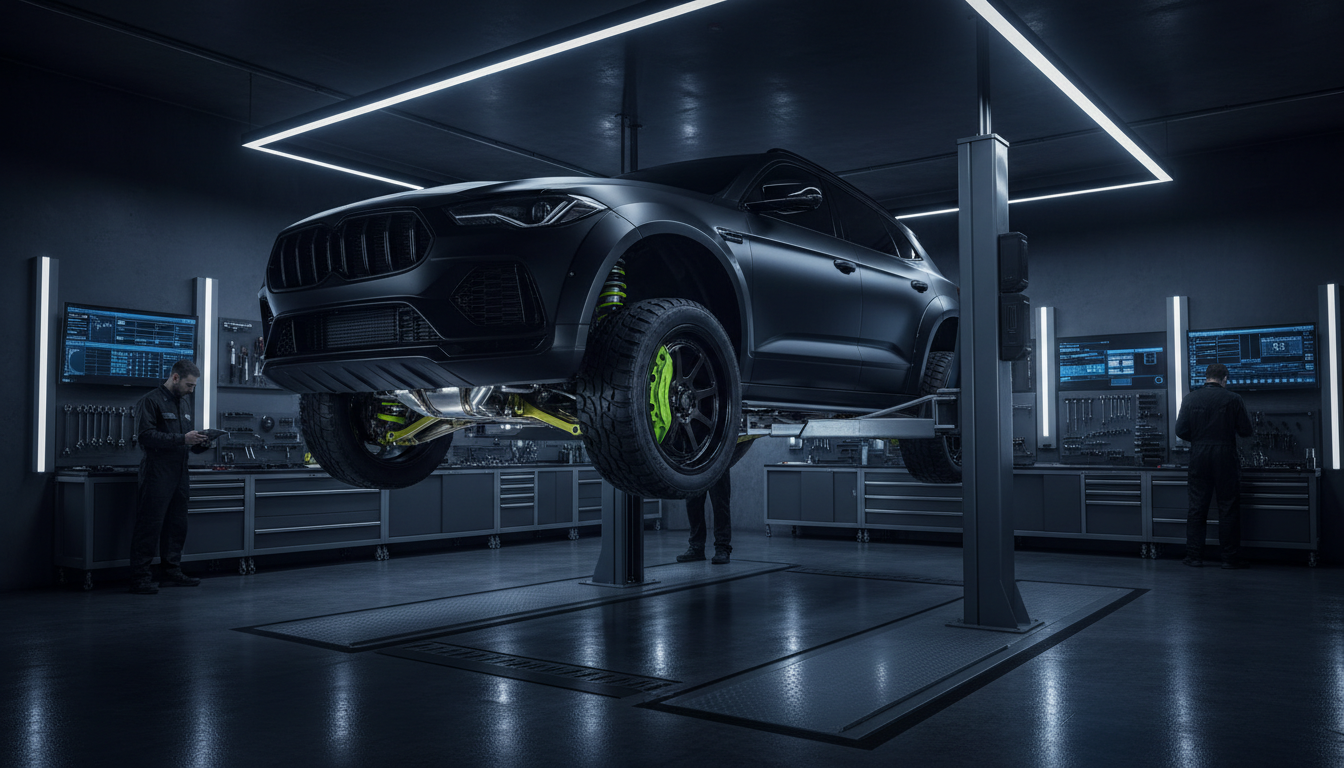
The use of vehicle taillifts is governed by several regulations. One of the primary regulations is the Lifting Operations and Lifting Equipment Regulations 1998 (LOLER). This regulation mandates regular inspections and maintenance of lifting equipment, including taillifts, to ensure safety. Compliance with LOLER is non-negotiable and requires businesses to keep detailed maintenance records.
Additionally, the Provision and Use of Work Equipment Regulations 1998 (PUWER) applies to taillifts, requiring them to be suitable for their intended use and maintained in a safe condition. Employers must ensure that operators are adequately trained to use the equipment safely.
Essential Safety Measures
Implementing safety measures is vital when operating taillifts. Regular risk assessments should be conducted to identify potential hazards. It's also important to ensure that safety signage is visible and that operators wear appropriate personal protective equipment (PPE).
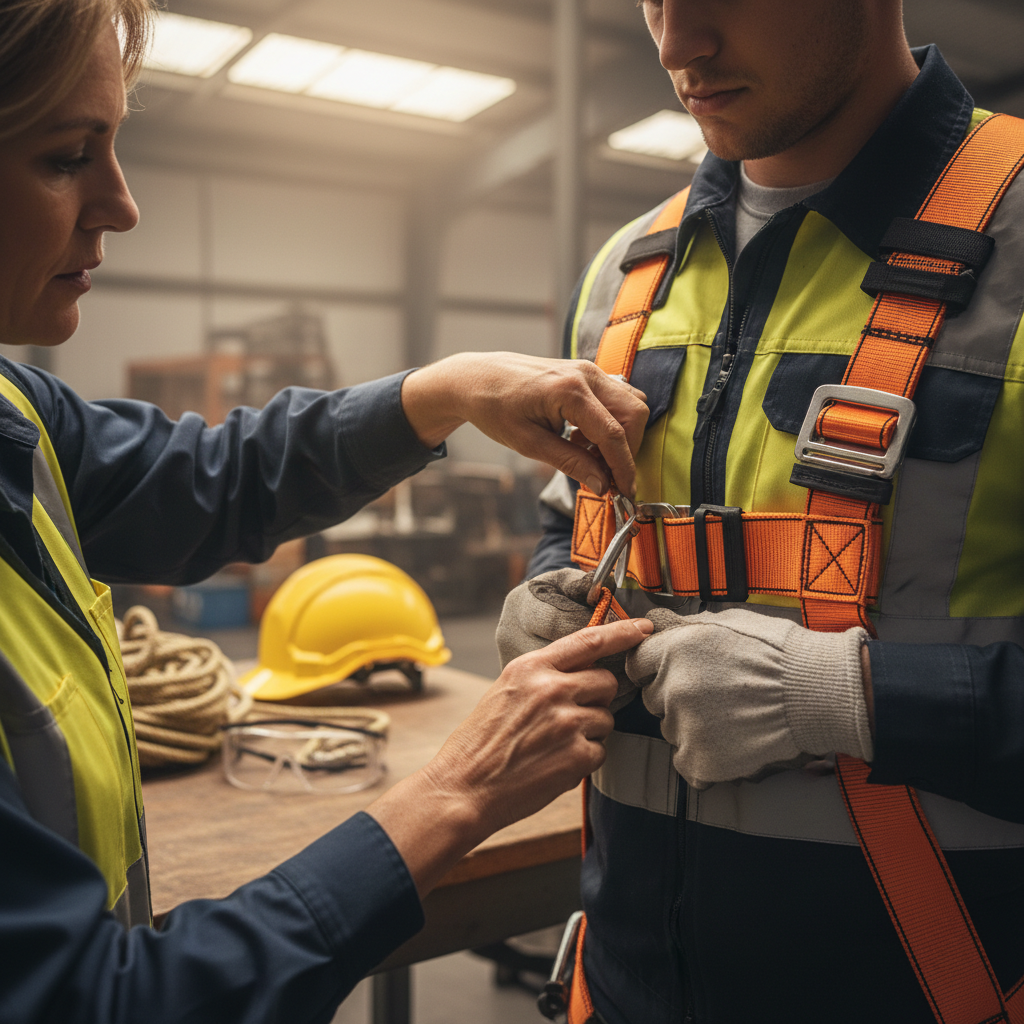
Training is a critical component of safety. All operators must undergo comprehensive training, covering the proper use of taillifts and the identification and management of potential risks. This training should be refreshed periodically to keep skills up to date.
Inspection and Maintenance
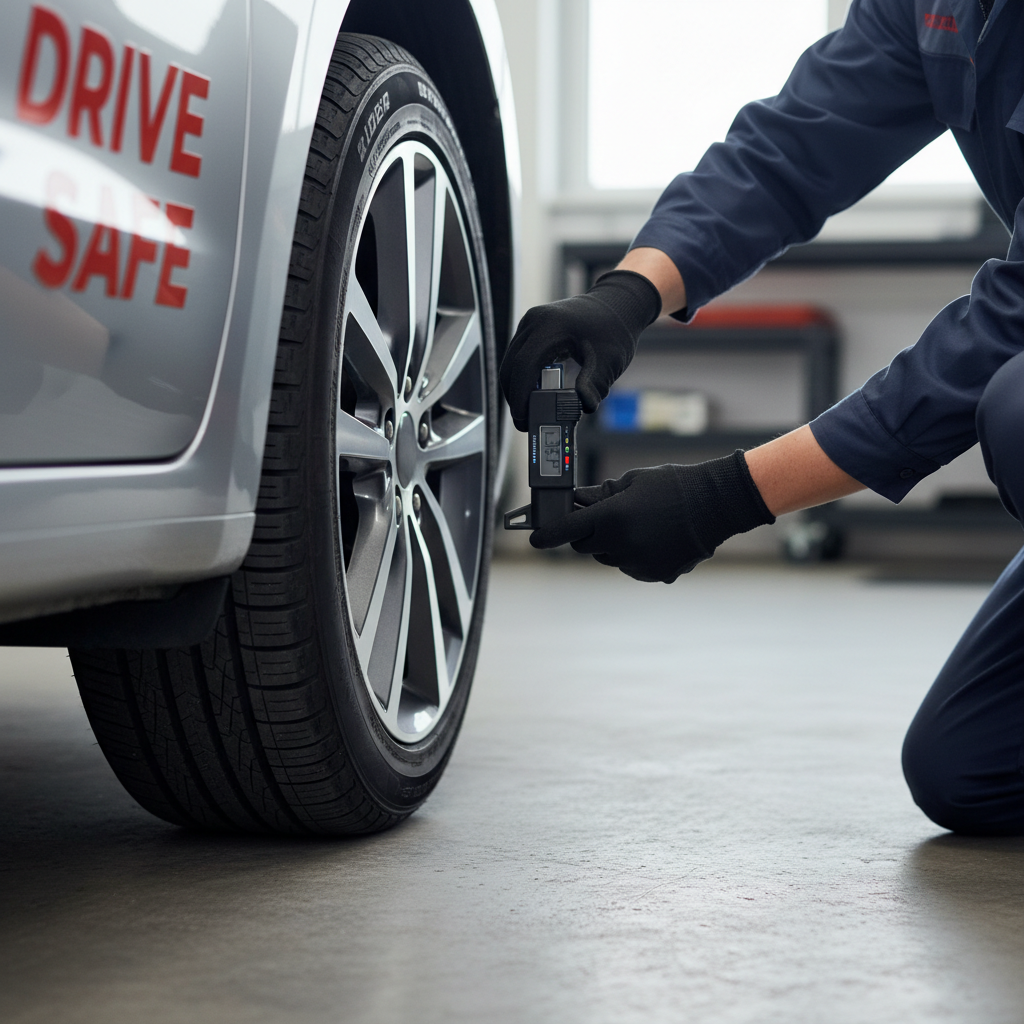
Regular inspection and maintenance are crucial to ensure the longevity and safety of taillifts. Inspections should be carried out by qualified individuals at intervals recommended by the manufacturer. Any defects should be addressed immediately to prevent accidents.
Maintenance records must be meticulously kept, detailing all inspections, maintenance work, and repairs. These records are not only essential for compliance but also serve as a valuable resource for identifying recurring issues and planning preventive measures.
Local Considerations in Lincolnshire
Operating in Lincolnshire presents specific considerations. Businesses must be aware of local infrastructure and road conditions, which can impact the use of taillifts. Engaging with local authorities can provide insights into any region-specific regulations or recommendations.
Furthermore, given the rural nature of much of Lincolnshire, businesses should consider the impact of weather conditions on the operation of taillifts. Ensuring that equipment is robust enough to handle varying conditions is crucial for uninterrupted operations.
Conclusion
Navigating the UK regulations for vehicle taillifts in Lincolnshire requires a thorough understanding of national and local regulations. By ensuring compliance with LOLER and PUWER, implementing robust safety measures, and considering local factors, businesses can operate efficiently and safely. Staying informed and proactive in equipment maintenance and operator training will significantly contribute to the success and safety of transportation operations in the region.