
Preparing Your Fleet for Winter: Essential Tips for Minibus and Coach Owners
Understanding the Importance of Winter Preparation
As winter approaches, minibus and coach owners face unique challenges. Ensuring your fleet is well-prepared not only enhances safety but also optimizes performance during harsh weather conditions. Taking the necessary steps now can prevent costly repairs and downtime later.

Inspect and Maintain Tires
Tires are the critical point of contact between your vehicles and the road. In winter, they need to provide optimal traction. Check the tread depth and replace any tires that show signs of wear. Consider investing in winter tires designed to handle snow and ice.
Regular Tire Checks
Perform regular tire pressure checks, as cold weather can cause air pressure to drop. Maintaining the correct pressure ensures better fuel efficiency and handling.
Battery and Electrical System
The cold can severely impact battery performance. Test your batteries and replace any that are weak. Ensure all terminals are clean and free of corrosion. Additionally, check the vehicle's electrical system to ensure all components function correctly.

Fluids and Lubricants
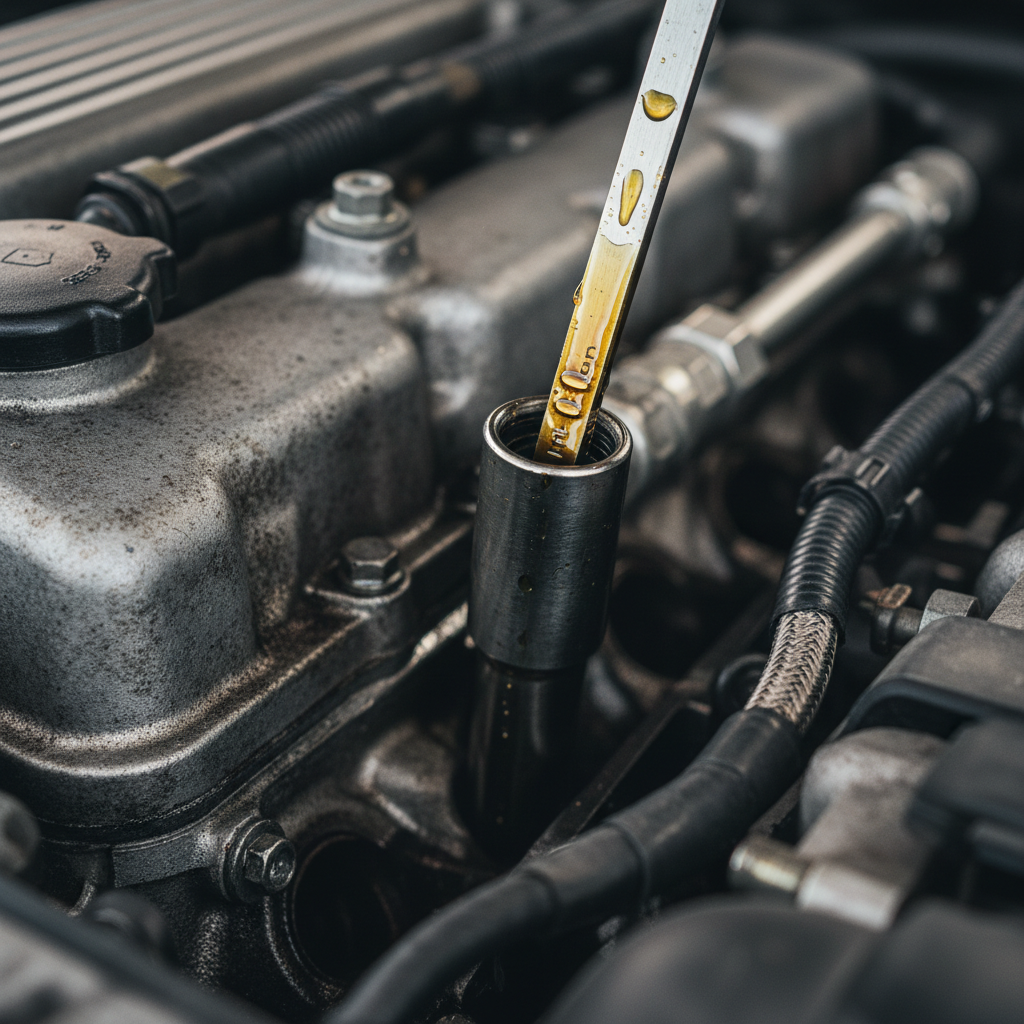
Winter conditions demand specific attention to your vehicle's fluids. Ensure you're using the right type of oil for cold weather and check coolant levels to prevent freezing. Don't forget to top off the windshield washer fluid with a winter-grade solution.
Regular Fluid Checks
Establish a schedule for checking all fluid levels regularly throughout the winter months. This proactive approach helps in avoiding unexpected breakdowns.
Heating and Defrost Systems
A functioning heating system is essential for driver comfort and safety. Test all heating units and defrost systems to ensure they're working efficiently. Address any issues before the cold weather sets in.
Inspect Climate Control
Ensure the climate control system operates correctly, providing consistent warmth and clear visibility. This is crucial for maintaining a safe and comfortable environment for both drivers and passengers.
Emergency Preparedness
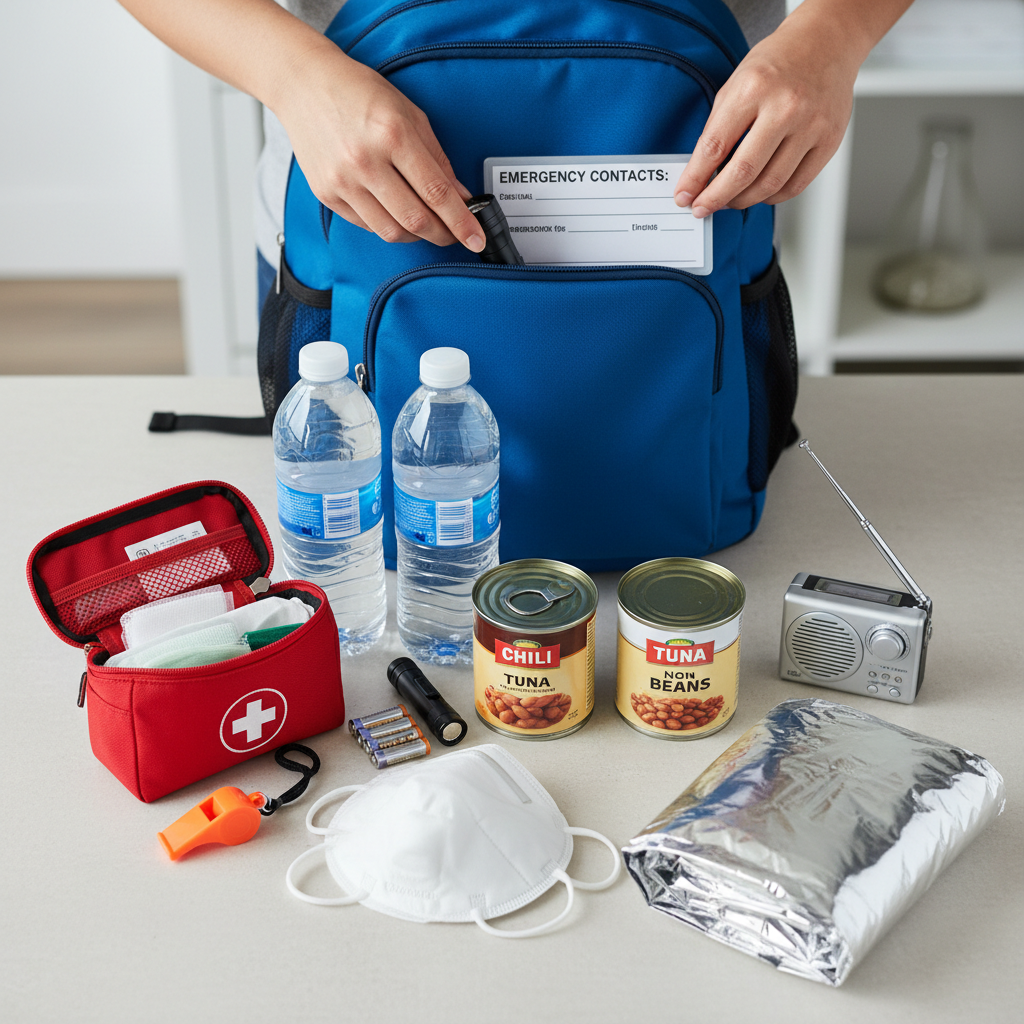
Despite thorough preparation, emergencies can still occur. Equip each vehicle with an emergency kit, including items like blankets, first-aid supplies, and a flashlight. Consider adding a snow shovel and traction aids for unexpected weather conditions.
Training and Communication
Ensure that all drivers are trained in winter driving techniques and understand the importance of communication during emergencies. Keeping everyone informed helps in managing any situation efficiently.
Conclusion
By taking these essential steps, minibus and coach owners can safeguard their fleet against winter's challenges. Prioritizing maintenance and safety ensures that your vehicles remain reliable, keeping both passengers and drivers secure and satisfied.