
Preparing Your Minibus for Winter: Essential Taillift Maintenance Tips
Understanding the Importance of Taillift Maintenance
As winter approaches, ensuring your minibus is ready for colder conditions is crucial. One vital component often overlooked is the taillift. Proper maintenance of your taillift not only helps in avoiding costly repairs but also ensures the safety and efficiency of your operations.
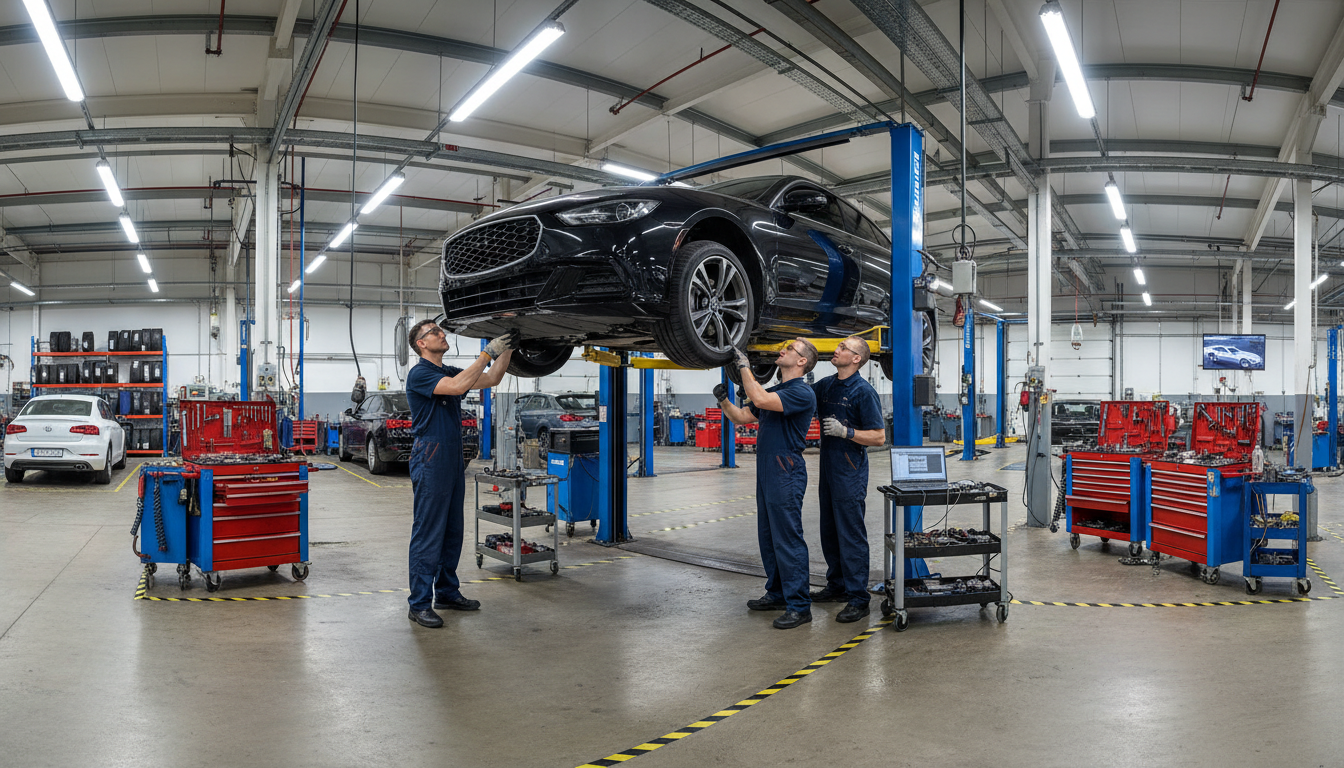
Winter weather can be harsh on mechanical components, and taillifts are no exception. They are exposed to snow, ice, and salt, which can lead to corrosion and operational issues. By performing regular maintenance, you can extend the lifespan of your equipment and keep it functioning smoothly.
Initial Inspection and Cleaning
Before winter sets in, conduct a thorough inspection of your taillift. Look for any signs of wear and tear, such as rust, frayed cables, or loose bolts. Addressing these issues early can prevent larger problems down the line.
Cleaning is also essential. Remove any debris or dirt build-up that could interfere with the taillift's operation. Use a mild detergent and water to clean the surfaces, ensuring that all moving parts are free of obstruction.
Lubrication
Proper lubrication is key to keeping your taillift in top condition. Cold weather can cause lubricants to thicken, making it harder for the components to move smoothly. Use a winter-grade lubricant specifically designed for cold climates to ensure optimal performance.

Electrical System Checks
The electrical system of your taillift is another crucial area that requires attention. Cold temperatures can affect battery performance, so ensure the battery is fully charged and in good condition. Check all electrical connections for corrosion or damage and replace any faulty wiring.
Ensure that all lights and indicators are functioning correctly. Visibility can be reduced in winter conditions, making it even more important for your taillift’s lights to be operational.
Hydraulic System Maintenance
The hydraulic system is the powerhouse of your taillift. Start by checking the hydraulic fluid levels and top them up if necessary. Use a hydraulic fluid suitable for low temperatures to prevent any freezing or thickening.
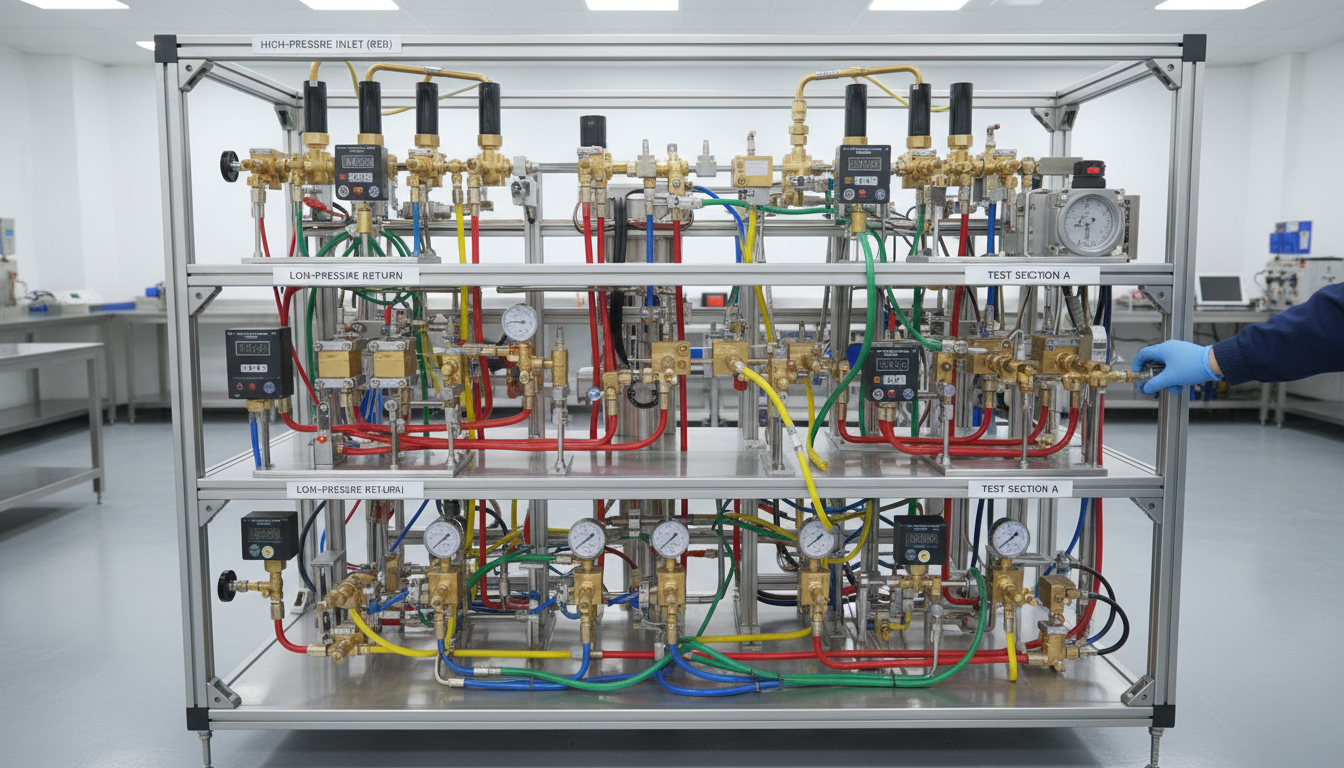
Inspect the hydraulic hoses and cylinders for any signs of leaks or damage. Any issues here can lead to operational failure, so replacement of damaged components should be done promptly.
Regular Testing and Adjustments
Conduct regular tests to ensure the taillift operates smoothly. Check the lift’s alignment and make any necessary adjustments to avoid uneven wear and reduce stress on the components. Regular testing helps in identifying potential issues before they become major problems.
By following these essential maintenance tips, you can ensure that your minibus's taillift remains reliable throughout the winter months. A little preparation goes a long way in maintaining the safety and efficiency of your operations.