
Seasonal Taillift Maintenance: Preparing for the Winter Months
Understanding the Importance of Seasonal Maintenance
As the colder months approach, ensuring that your taillift is in optimal condition becomes crucial. The winter season brings challenges that can affect the functionality and safety of your equipment. Regular maintenance not only prolongs the lifespan of your taillift but also ensures the safety of its operators.
During winter, components are more susceptible to wear and tear due to harsh weather conditions. Cold temperatures can affect hydraulic fluid performance, while ice and snow can increase the risk of accidents. Therefore, preparing your taillift for winter is essential for uninterrupted operations.
Key Areas to Focus On
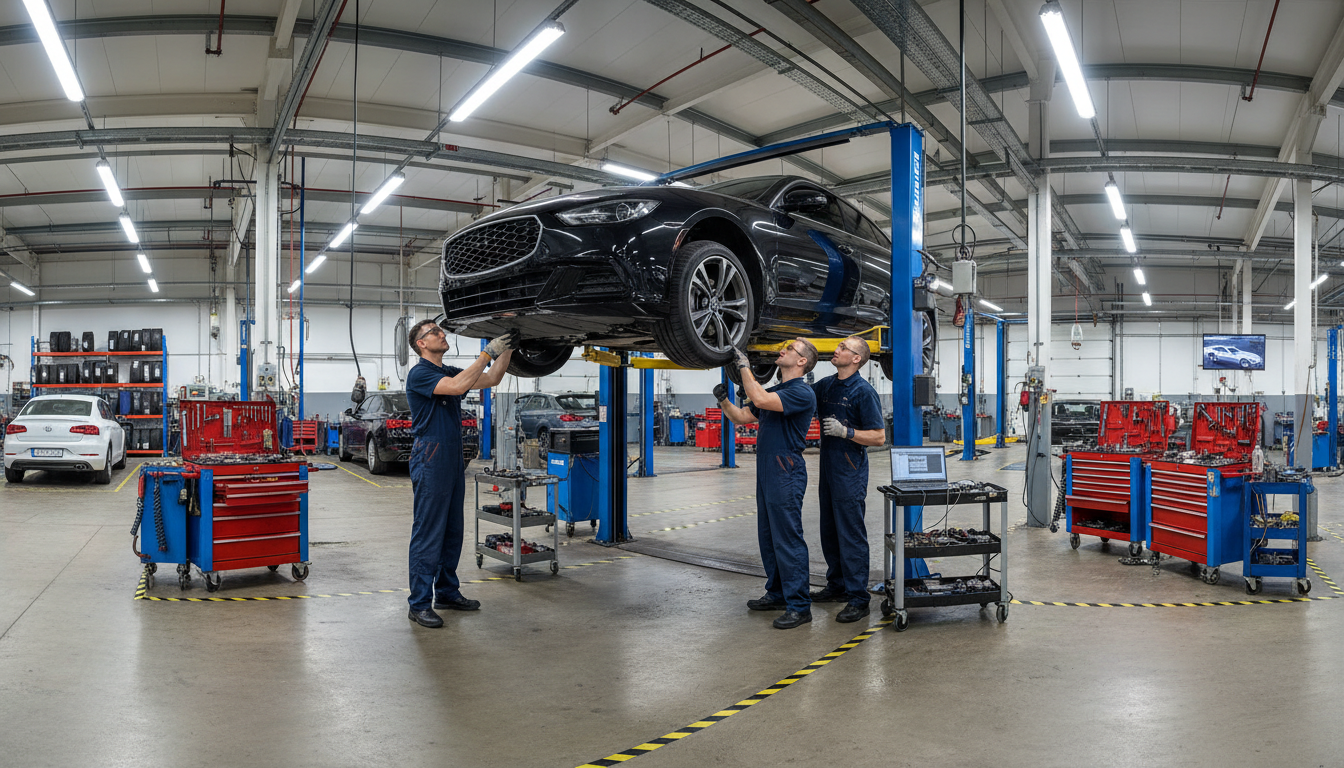
When preparing your taillift for winter, focus on the following areas to ensure smooth and safe operations:
Hydraulic System
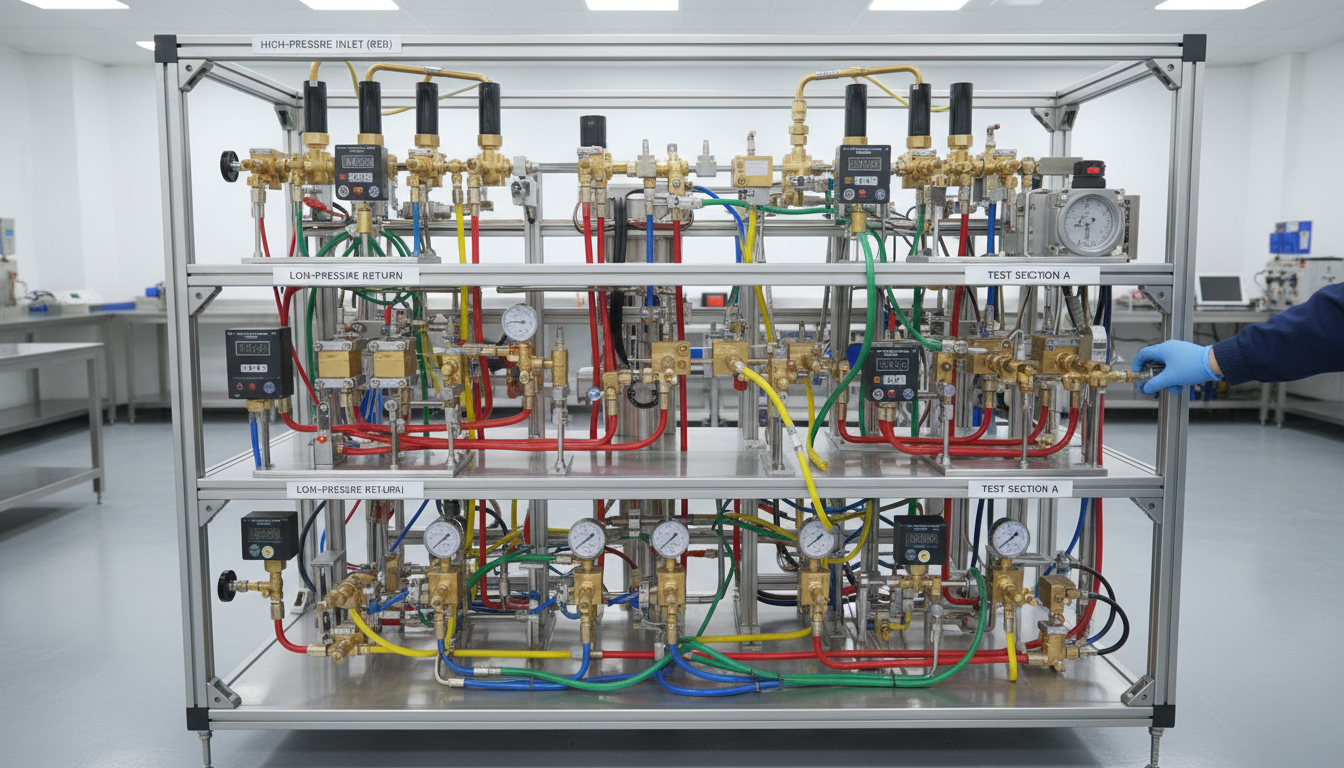
The hydraulic system is the heart of your taillift. In colder temperatures, hydraulic fluids can thicken, leading to sluggish performance or even system failure. It’s crucial to check fluid levels and consider using winter-grade hydraulic oil to maintain optimal flow.
Electrical Components
Winter weather can also impact the electrical components of your taillift. Moisture can lead to corrosion and electrical failures. Inspect all wiring and connections to ensure they are secure and free from damage. Applying a protective spray can help prevent moisture-related issues.
Routine Inspections and Lubrication
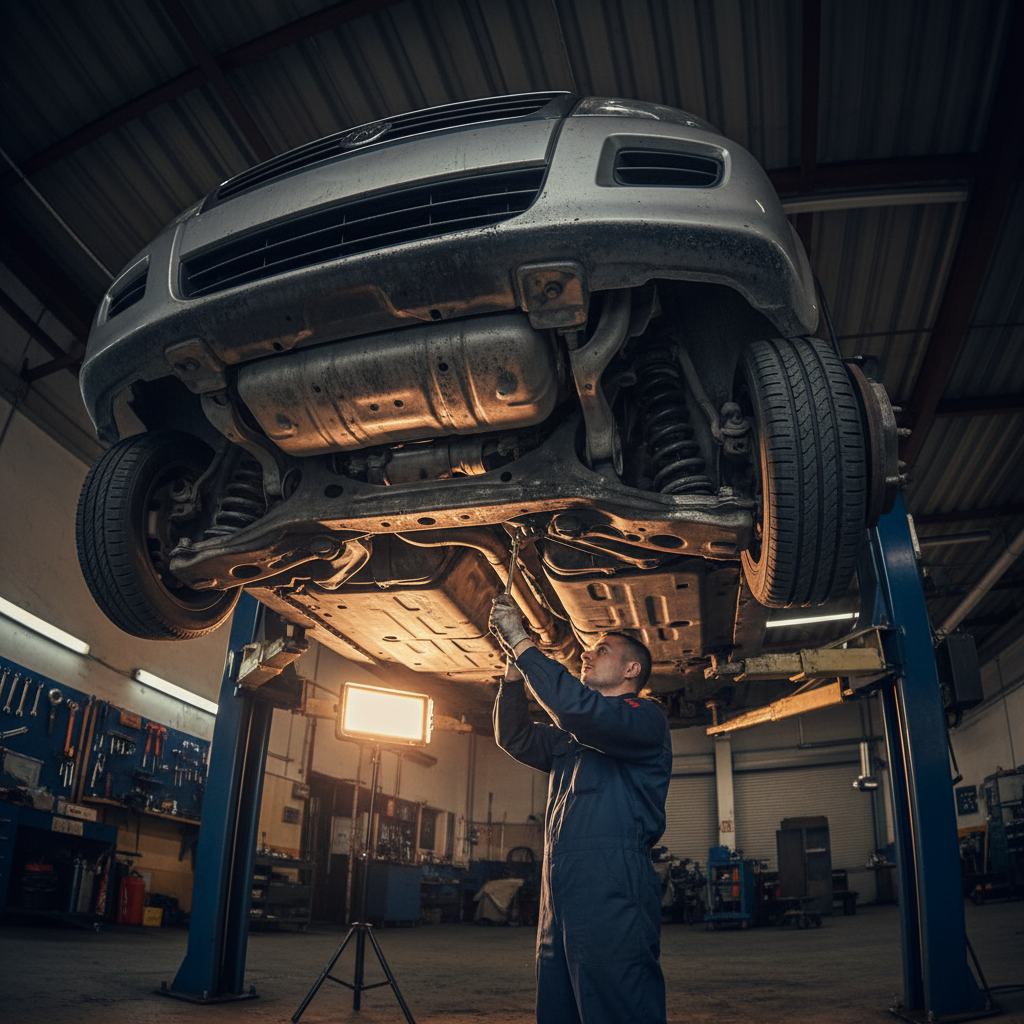
Regular inspections are vital to identify potential problems before they escalate. Pay special attention to moving parts and hinges, as they require proper lubrication to function efficiently. Cold weather can cause lubricants to dry out, leading to increased friction and wear.
Use a winter-grade lubricant to ensure that all moving parts operate smoothly. Regularly lubricating these components will reduce the risk of mechanical failure and extend the life of your taillift.
Safety Checks and Training
In addition to maintenance, conducting safety checks is essential. Ensure that all safety features are operational, including emergency stop buttons and warning lights. These checks can prevent accidents and ensure the safety of your operators and cargo.
Furthermore, training your staff on winter operation protocols is crucial. They should be aware of the potential hazards that winter conditions pose and how to mitigate them. Proper training will contribute to safer and more efficient operations.
Preparing for the Unexpected
No matter how well-prepared you are, unforeseen issues can still arise. Having a contingency plan in place will help you address any unexpected problems swiftly. Keep a stock of essential spare parts and tools, and establish a relationship with a reliable service provider for emergency repairs.
By taking these proactive steps, you can ensure that your taillift remains reliable and efficient throughout the winter months, minimizing downtime and maximizing productivity.