
Taillifts vs. Ramps: Which is Best for Your Minibus?
When it comes to enhancing accessibility for your minibus, choosing between a taillift and a ramp can be a crucial decision. Both options have their advantages and considerations, depending on your specific needs and circumstances. In this post, we'll explore the differences between taillifts and ramps to help you make an informed decision.
Understanding Taillifts
Taillifts are mechanical platforms attached to the rear of a vehicle, designed to lift wheelchairs and other mobility devices into the vehicle. They are often powered by hydraulics or electricity, providing a smooth and efficient lifting process.
Advantages of Taillifts
One of the primary benefits of taillifts is their **ease of use**. With the push of a button, the lift can raise and lower passengers with minimal effort required from the driver or attendant. This feature makes taillifts especially suitable for frequent use and for transporting multiple passengers with mobility challenges.
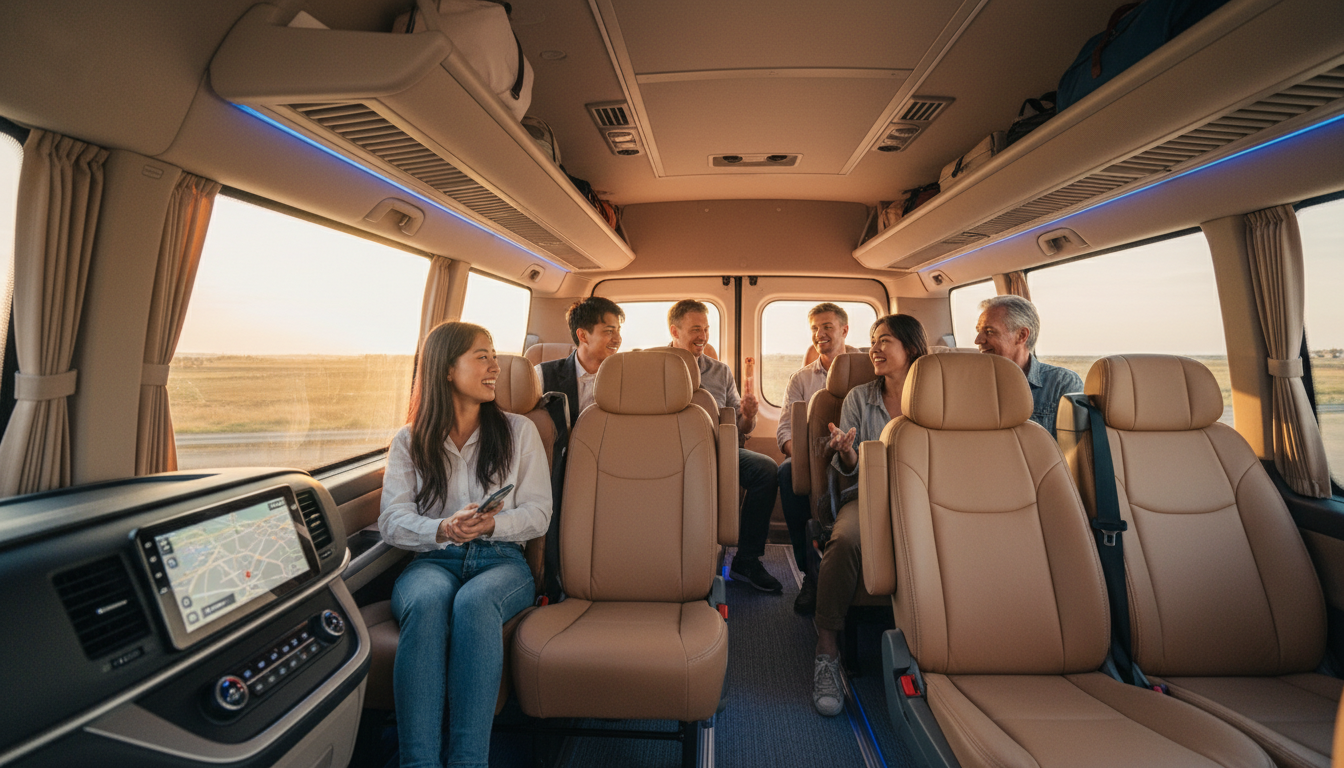
Taillifts also offer a **high weight capacity**, which is ideal for heavier mobility scooters and powered wheelchairs. They are robust and reliable, ensuring safe and secure transportation.
Exploring Ramps
Ramps, on the other hand, are inclined planes that allow wheelchairs and other mobility aids to be rolled into the minibus. They come in various lengths and materials, offering flexibility and portability.
Advantages of Ramps
Ramps are generally more **cost-effective** than taillifts, making them an attractive option for those on a budget. They are also **lightweight and portable**, allowing for easy storage and transport when not in use.

Another benefit of ramps is their **simplicity and reliability**. Without mechanical parts, there are fewer chances of malfunction, which can be appealing for those who prefer a manual solution.
Considerations for Your Choice
When deciding between a taillift and a ramp, consider the following factors:
- Frequency of Use: If you require frequent loading and unloading, a taillift might be more convenient.
- Budget: Ramps are typically less expensive, making them a good option for cost-conscious buyers.
- Space and Storage: Consider the available space in your minibus for storing a ramp or accommodating a taillift.
- Passenger Needs: Evaluate the specific needs of your passengers, including weight requirements and ease of access.

Conclusion
Ultimately, the choice between a taillift and a ramp will depend on your specific situation and preferences. Both options provide valuable accessibility solutions for minibuses, enhancing the travel experience for passengers with mobility challenges.
Consider the advantages and limitations of each option carefully, and you’ll be well-equipped to make the best decision for your minibus. Whether you prioritize cost, convenience, or capacity, there’s a solution that fits your needs.