
The Benefits of Using a Taillift for Minibuses: A Complete Overview
Introduction to Taillifts for Minibuses
In recent years, the use of taillifts for minibuses has gained significant popularity. These devices are not only enhancing accessibility but are also providing a range of benefits that make them an appealing choice for various transport needs. Understanding the advantages of using a taillift can help owners and operators make informed decisions about their fleet.
Enhanced Accessibility
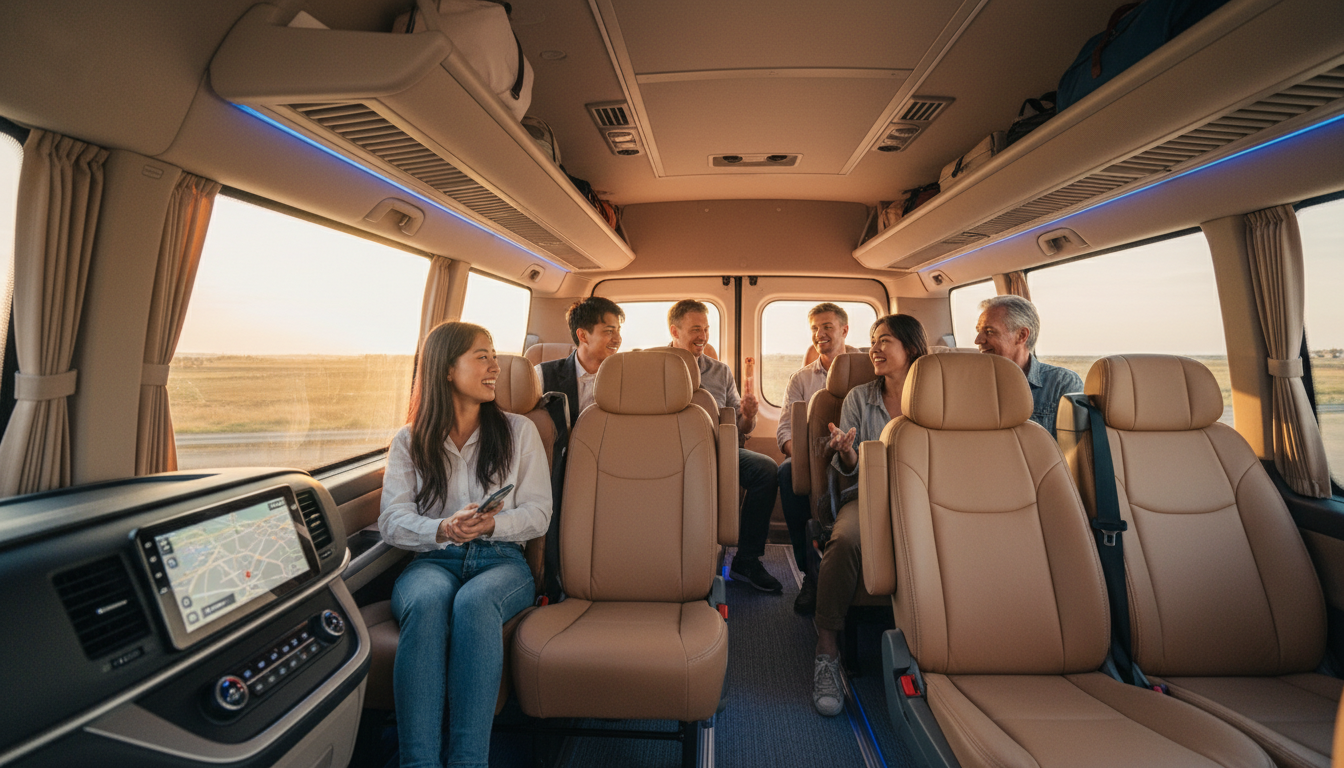
One of the primary benefits of installing a taillift on a minibus is improved accessibility. This is especially crucial for passengers with mobility challenges, including the elderly and individuals using wheelchairs. Taillifts facilitate easy and safe boarding, ensuring that everyone can travel comfortably and with dignity.
Promoting Inclusivity
By equipping minibuses with taillifts, transport providers can cater to a broader audience. This inclusivity is not only socially responsible but can also enhance the reputation of a transport service. Passengers appreciate the consideration and often choose services that prioritize accessibility.
Safety and Convenience
Safety is a paramount concern for any transport service. Taillifts contribute to safer boarding and disembarking processes. They are designed with features that prevent accidents and ensure smooth operation, reducing the risk of injuries. Additionally, their convenience makes the boarding process quicker and more efficient.
Ease of Operation
Modern taillifts are equipped with user-friendly controls, allowing operators to manage them with minimal effort. This ease of use reduces the need for extensive training and can increase the efficiency of the transport service. Many taillifts also come with automatic functions to further enhance their practicality.
Cost-Effectiveness
Investing in a taillift can be cost-effective in the long run. By expanding the range of passengers who can use the service, operators may see increased usage and revenue. Additionally, many regions offer incentives or subsidies for upgrading vehicles to be more accessible, which can offset installation costs.
Durability and Maintenance
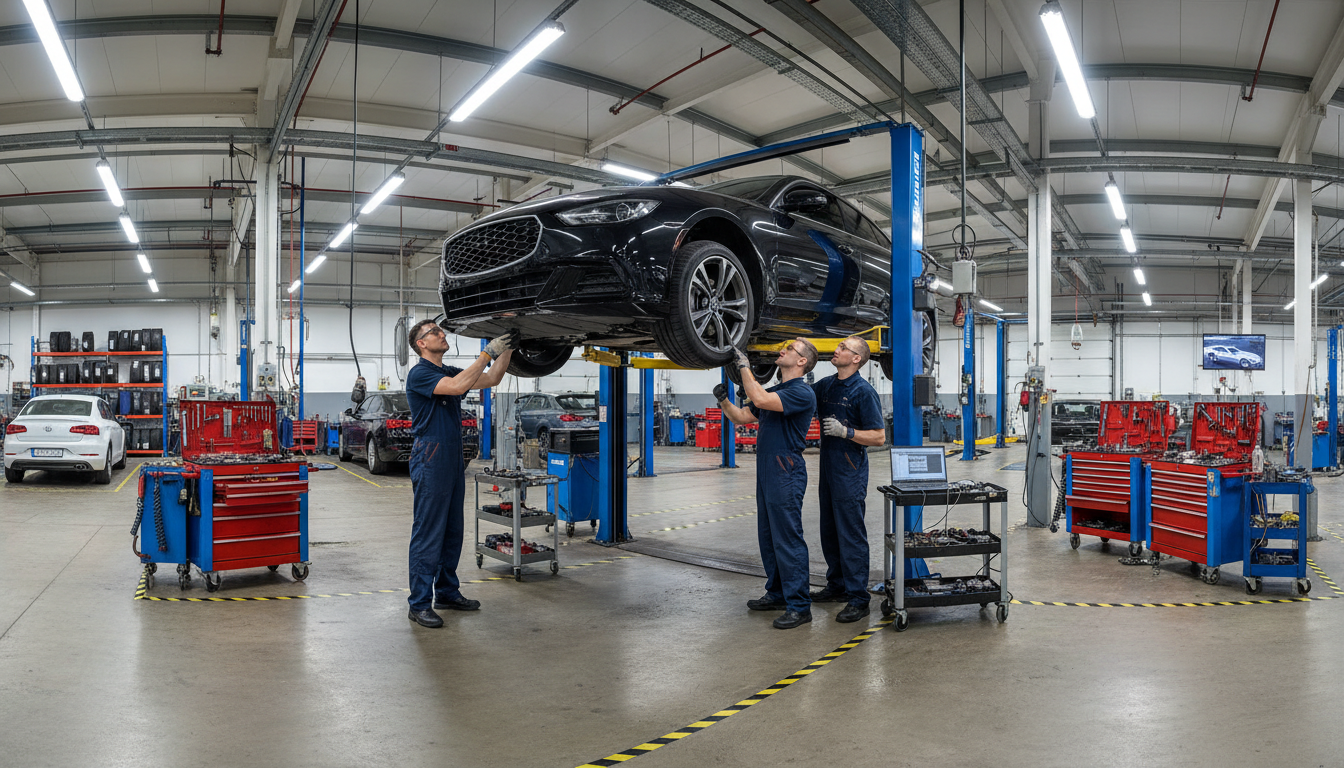
Taillifts are built to withstand frequent use and varying weather conditions, making them a durable addition to any minibus. Regular maintenance ensures they remain in optimal condition, providing long-term reliability. This durability contributes to their cost-effectiveness by minimizing downtime and repair expenses.
Conclusion
Incorporating a taillift into a minibus is a strategic move that offers numerous benefits, from enhanced accessibility and safety to increased profitability and customer satisfaction. As the demand for inclusive transport solutions continues to grow, taillifts are becoming an essential feature for modern minibuses.