
The Ultimate Guide to Installing Wheelchair Ramps in Vehicles
Installing a wheelchair ramp in your vehicle can greatly enhance mobility and independence for individuals who use wheelchairs. Whether it's for personal use or to accommodate family members or clients, understanding the process can seem daunting. This guide will walk you through the essential steps and considerations.
Understanding Your Needs
Before selecting a wheelchair ramp, evaluate the specific needs and capabilities of the wheelchair user. Consider the type of wheelchair, frequency of use, and whether the user will be driving or a passenger. This will help determine the best type of ramp for your vehicle.

It's also important to consider the vehicle type. Different vehicles may require different ramp lengths or designs. Make sure to measure the space available in your vehicle to ensure a proper fit.
Types of Wheelchair Ramps
There are several types of wheelchair ramps available, each with its own advantages. The most common types include:
- Portable Ramps: Lightweight and easy to move, suitable for temporary use.
- Folding Ramps: Compact and convenient for storage, ideal for vehicles with limited space.
- Permanent Ramps: Installed directly into a vehicle for regular use, offering a sturdy solution.
Choosing the right ramp depends on your specific requirements and how you plan to use it.
Installation Process
Once you have selected the appropriate ramp, the installation process begins. Here’s a step-by-step overview:
- Ensure the vehicle is parked on a flat surface to prevent movement during installation.
- Read the manufacturer's instructions carefully. Each ramp may have different installation requirements.
- Position the ramp securely, ensuring it aligns with the vehicle's entry point.
- Test the ramp with the wheelchair to ensure stability and ease of use.
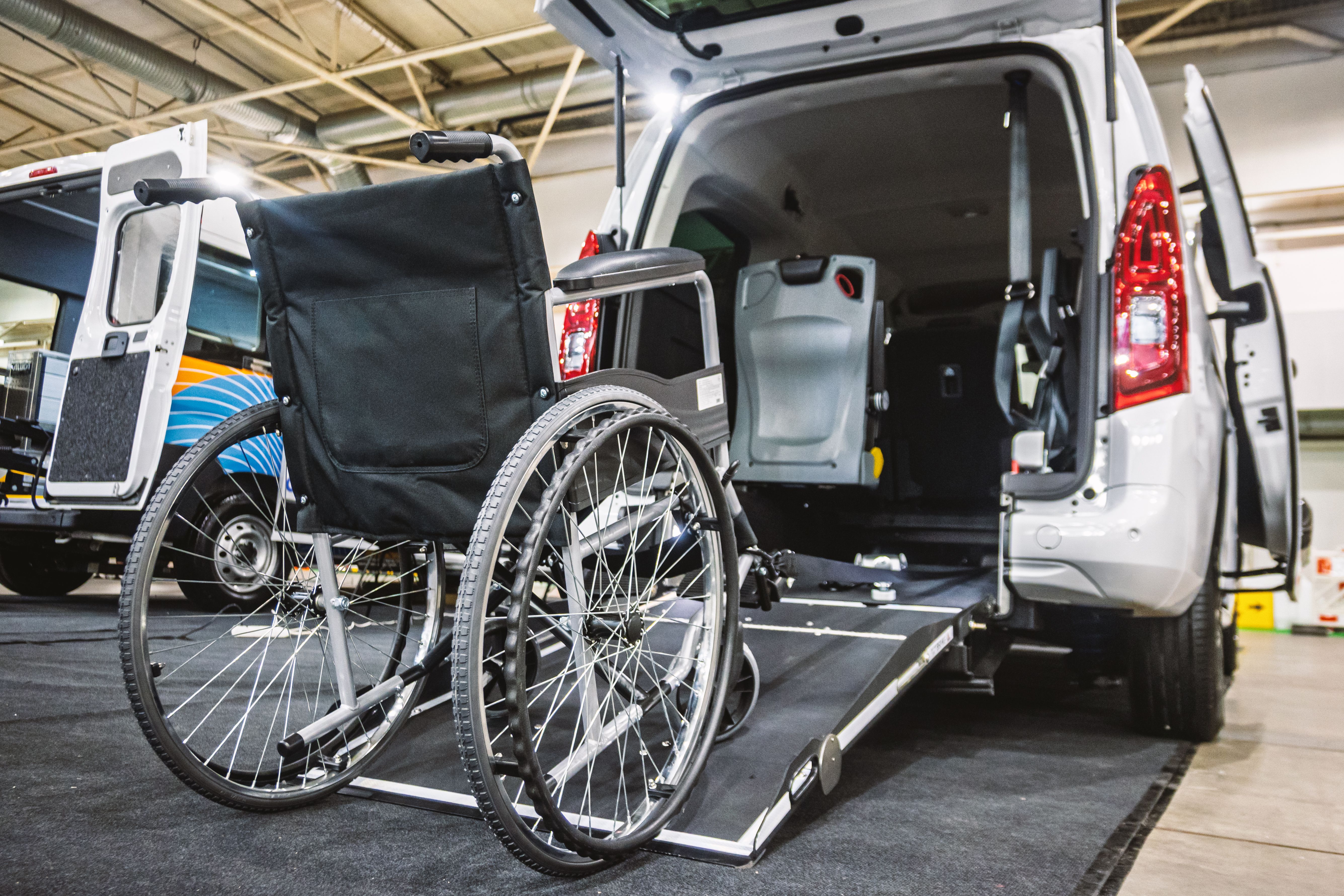
If you're unsure about installing the ramp yourself, consider hiring a professional to ensure it's done safely and correctly.
Safety Considerations
Safety is paramount when using a wheelchair ramp. Here are some tips to ensure safe operation:
- Always check the weight capacity of the ramp and ensure it supports the wheelchair and user.
- Regularly inspect the ramp for any signs of wear or damage.
- Ensure the ramp is dry and free of debris before use to prevent slipping.
By following these safety tips, you can help ensure a secure and comfortable experience for the wheelchair user.
Maintenance and Care
Proper maintenance of your wheelchair ramp is essential for longevity and performance. Clean the ramp regularly to remove dirt and debris, and check for any loose screws or parts. Lubricating moving components can also help maintain smooth operation.

Storing portable and folding ramps in a dry, safe place when not in use can prevent unnecessary wear and tear.
Conclusion
Installing a wheelchair ramp in your vehicle is a significant step toward enhancing mobility and independence. By understanding your needs, choosing the right ramp, and following proper installation and maintenance procedures, you can ensure a safe and efficient solution that meets your mobility requirements.
For further assistance, consult professionals or local mobility experts who can offer personalized advice and support.