
Top Myths About Vehicle Accessibility Technology Debunked
Understanding Vehicle Accessibility Technology
As our world becomes more inclusive, vehicle accessibility technology is advancing to meet the diverse needs of individuals. However, several myths still persist, causing confusion and hesitance among potential users. It's time to debunk these myths and shed light on the reality of these transformative technologies.
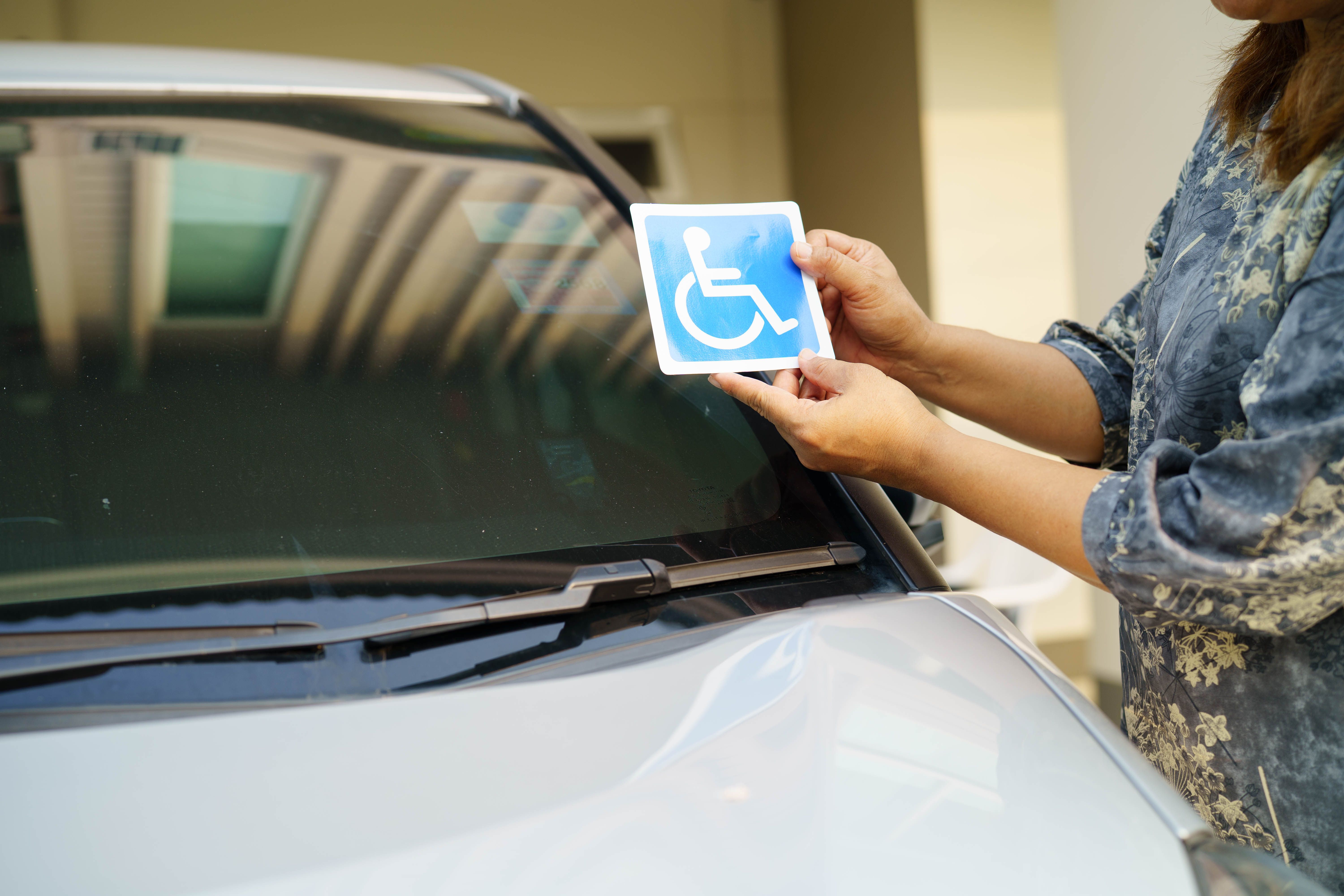
Myth 1: Vehicle Accessibility Technology Is Too Expensive
One of the most common misconceptions is that vehicle accessibility technology is prohibitively expensive. While it's true that some modifications can be costly, there are numerous affordable options available. Moreover, various organizations and government programs offer financial assistance to help cover these expenses.
It's important to remember that investing in accessibility technology can significantly enhance the quality of life for individuals with mobility challenges, offering them greater independence and freedom.
Myth 2: Limited Options for Different Disabilities
Another prevalent myth is that accessibility technology is limited to specific disabilities. In reality, advancements have led to a wide array of solutions tailored for different needs. Whether it's hand controls, wheelchair lifts, or adaptive seating, there's a diverse range of options designed to accommodate various disabilities.
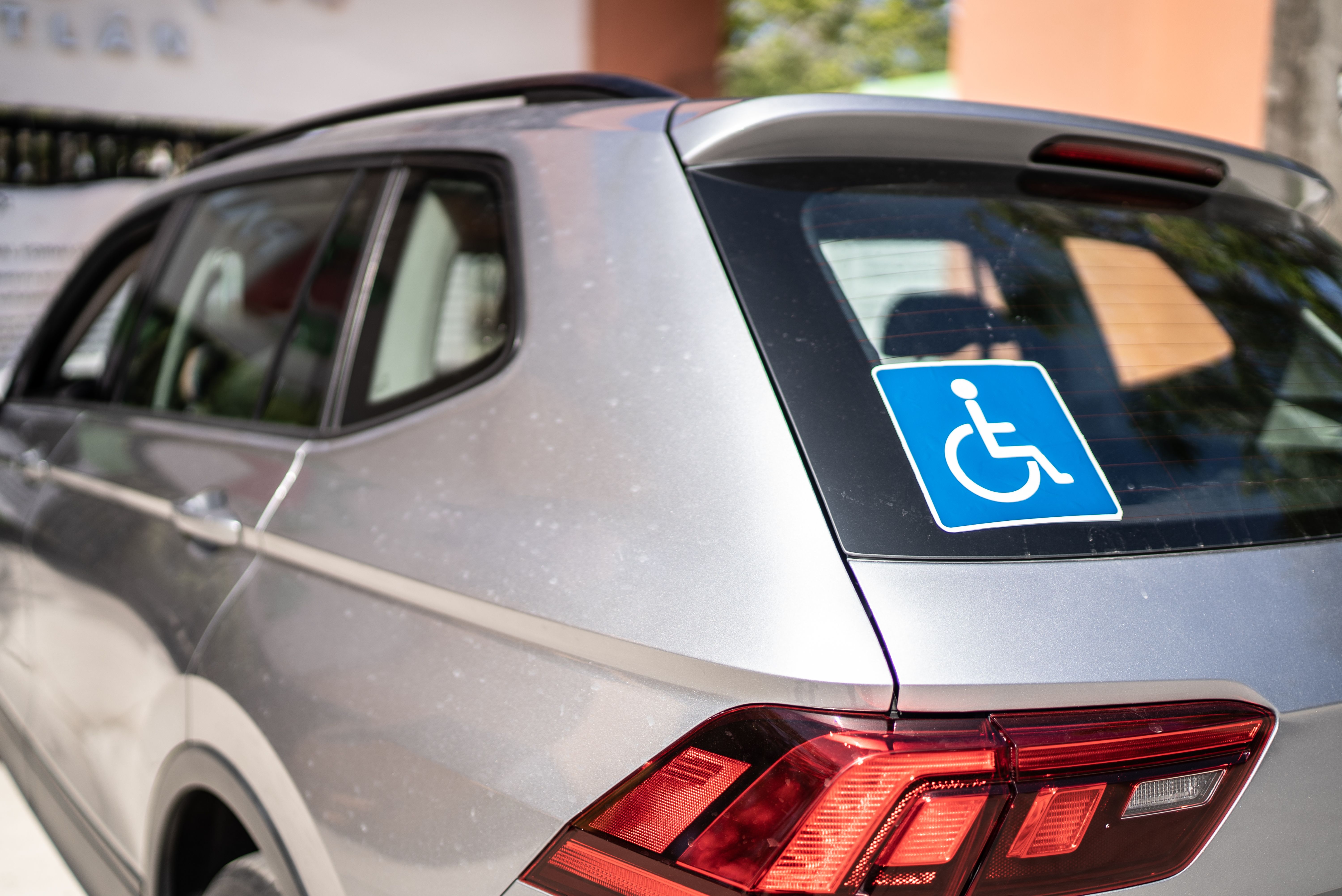
Myth 3: Difficult to Operate
Some believe that vehicle accessibility technology is complicated to use. However, modern systems are designed with user-friendliness in mind. Most come with intuitive controls and comprehensive training to ensure users can operate them with ease and confidence.
Manufacturers prioritize simplicity, ensuring that even those new to the technology can quickly learn how to use it effectively.
Myth 4: Modifications Are Permanent
A common concern is that vehicle accessibility modifications are permanent and irreversible. This is not always the case. Many modifications can be removed or adjusted to suit changing needs or to restore the vehicle to its original state when needed.

Myth 5: Accessibility Technology Is Only for Wheelchair Users
While wheelchair users benefit greatly from vehicle accessibility technology, it's not exclusively for them. People with various mobility challenges, such as those with arthritis or limited limb function, can also utilize these adaptations. The technology aims to assist anyone facing mobility barriers, regardless of the specific challenge.
By understanding these myths, individuals and families can make informed decisions about adopting vehicle accessibility technology, leading to improved mobility and independence for those who need it.
The Future of Vehicle Accessibility
The future of vehicle accessibility technology is bright, with ongoing innovations aimed at enhancing user experience and expanding the range of available solutions. As technology continues to evolve, it promises to make mobility more inclusive for all.