
Understanding Vehicle Accessibility Regulations in the UK: A Guide for Minibus Owners
Introduction to Vehicle Accessibility Regulations
As a minibus owner in the UK, understanding vehicle accessibility regulations is crucial to ensure compliance and provide a safe, inclusive experience for all passengers. These regulations are designed to make transport accessible to everyone, including those with disabilities.
The UK government has implemented specific guidelines and standards to ensure that vehicles accommodate passengers with various needs. This guide will help you navigate these regulations and make informed decisions about your minibus operations.
Legal Requirements for Minibus Accessibility
The primary legislation governing vehicle accessibility in the UK is the Equality Act 2010. This act mandates that all public transport vehicles, including minibuses, must be accessible to people with disabilities. Failure to comply can lead to legal consequences and fines.
Minibus owners must ensure that their vehicles have features like wheelchair access, appropriate signage, and priority seating. Furthermore, drivers should receive training to assist passengers with disabilities effectively.
Wheelchair Accessibility
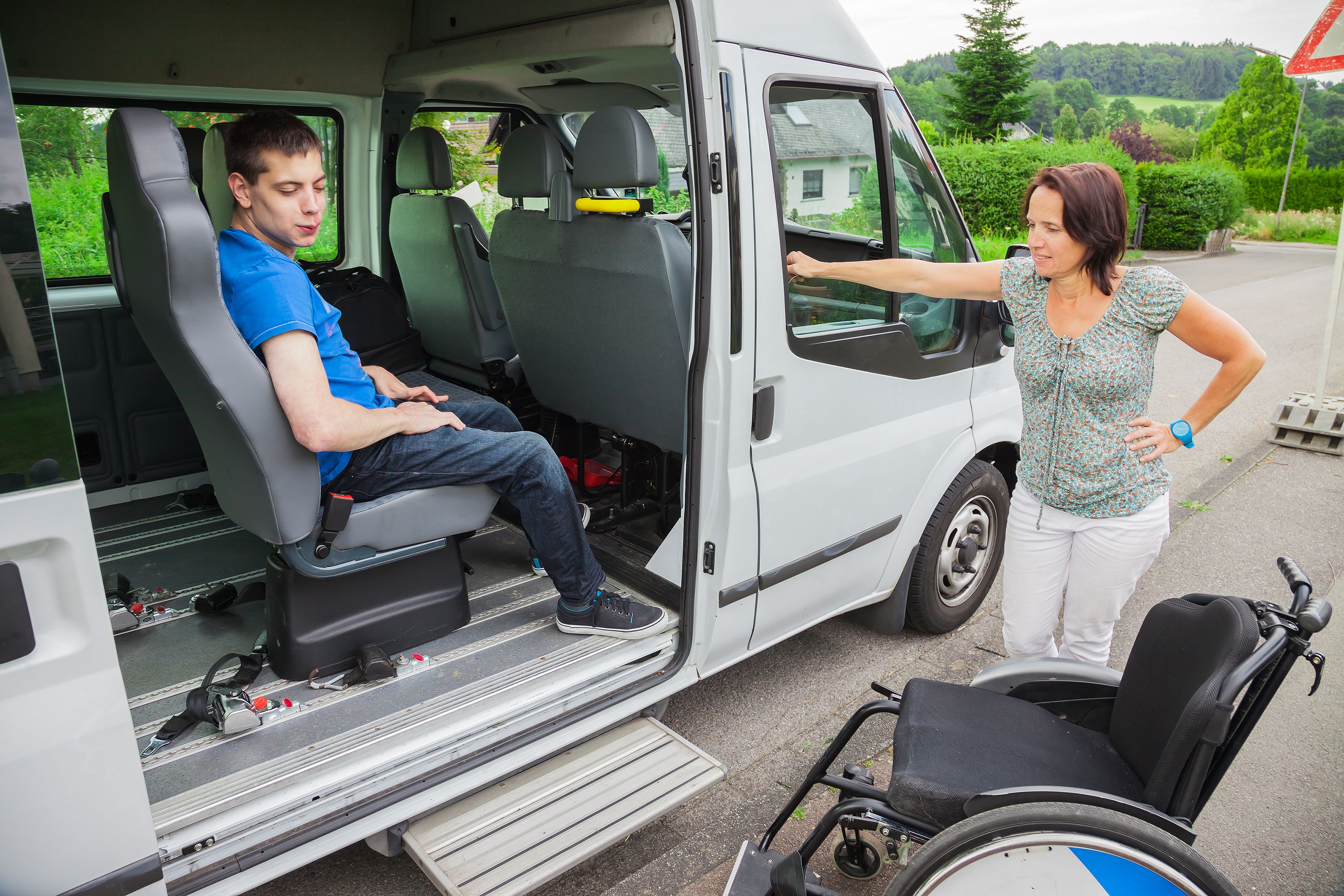
One of the most critical aspects of vehicle accessibility is ensuring that your minibus can accommodate wheelchair users. This typically involves installing a ramp or lift, securing points for wheelchairs, and providing ample space for maneuverability.
It's essential to regularly maintain and check these features to ensure they are in good working condition. Regular inspections and servicing can prevent potential issues, ensuring a safe journey for all passengers.
Ensuring Safe and Comfortable Travel
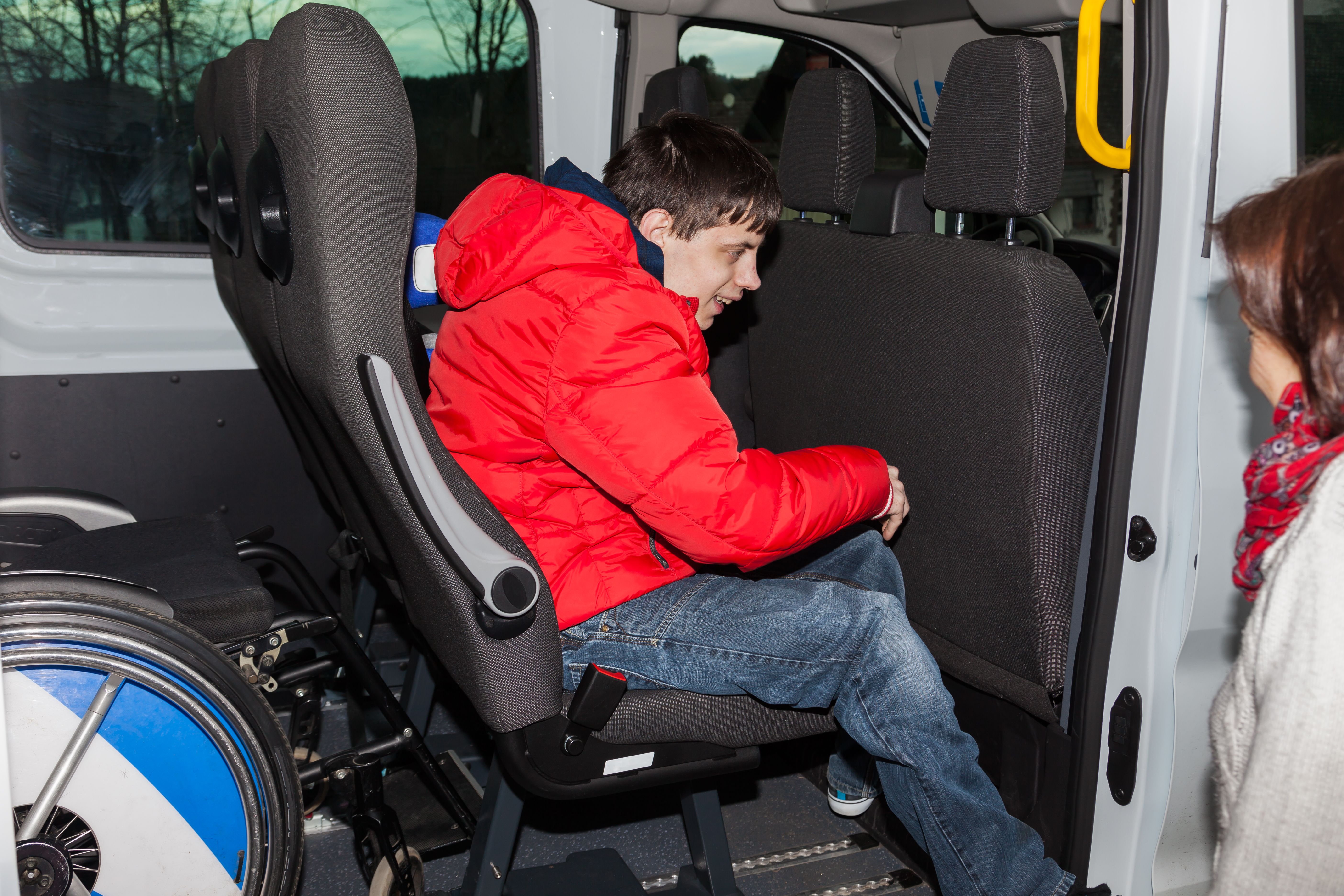
Beyond the structural modifications, it's crucial to focus on the overall comfort and safety of passengers. This includes having clearly marked priority seating and handrails for those who need additional support.
Minibus interiors should be designed to accommodate passengers with varying needs. This might involve adjusting seating arrangements or adding features like non-slip flooring and clearly visible signage.
Driver Training and Awareness
Effective training for drivers is another vital component of ensuring accessibility. Drivers should be aware of how to operate accessibility features like ramps and lifts and understand how to assist passengers respectfully and safely.
Training programs should also cover communication skills, ensuring drivers can effectively interact with passengers who have different needs. This can significantly enhance the travel experience for everyone involved.

Staying Updated with Regulations
Regulations and standards can change, so it's essential for minibus owners to stay informed about any updates. This can be achieved by regularly reviewing government publications and joining relevant industry associations.
Engaging with industry groups can provide valuable insights and resources, helping you stay ahead of regulatory changes and maintain compliance effortlessly.
Conclusion
Understanding and implementing vehicle accessibility regulations is not just about compliance—it's about creating an inclusive and welcoming environment for all passengers. By prioritizing accessibility, minibus owners can enhance their service and contribute to a more inclusive society.
Investing in the right features, training, and staying informed about regulations will ensure your minibus operations meet the necessary standards, benefiting both your business and the community you serve.