
Why Taillift Maintenance is Crucial During Lincolnshire’s Rainy Seasons
As the rainy seasons descend upon Lincolnshire, businesses relying on logistics and transportation face unique challenges. Among these is the upkeep of taillifts, essential components for efficient loading and unloading of goods. Proper maintenance of taillifts during this time is not just advisable—it’s crucial.
The Impact of Rainy Weather on Taillifts
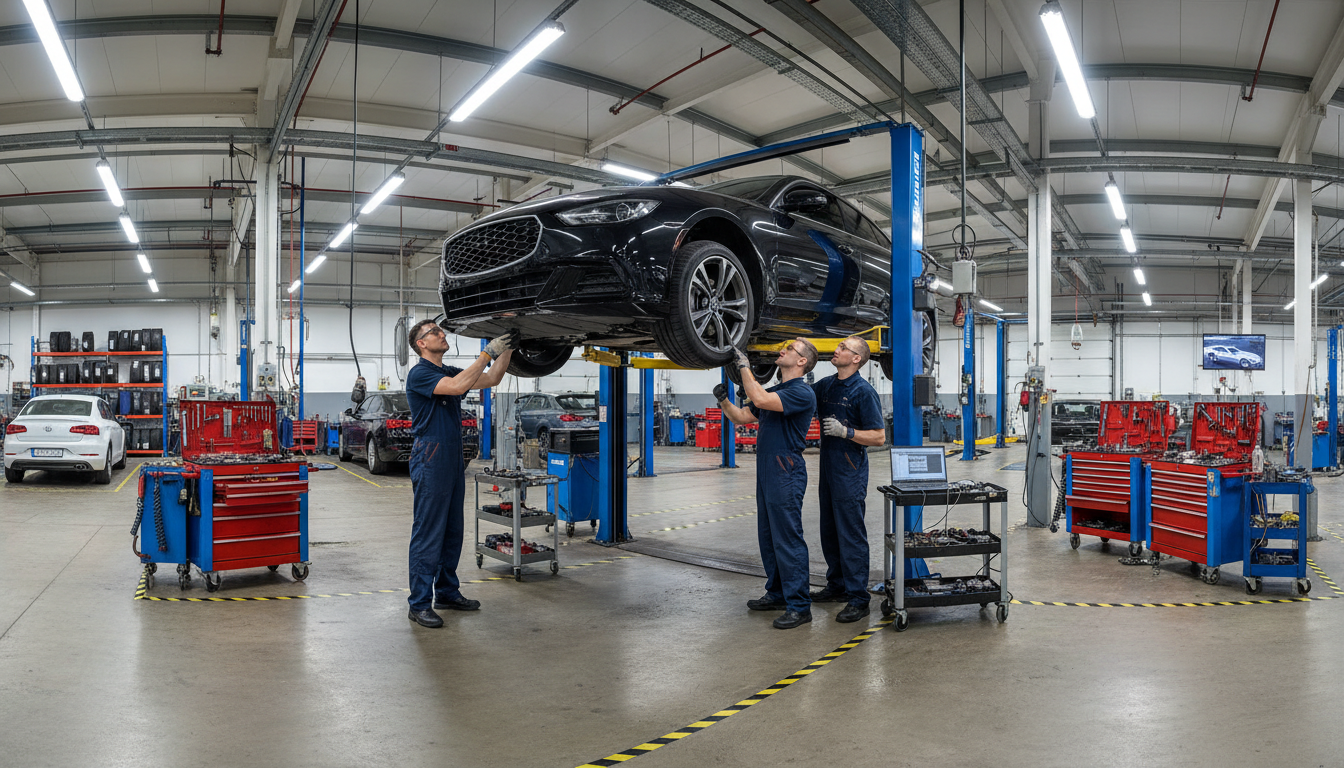
Lincolnshire’s wet seasons can put additional stress on mechanical equipment, and taillifts are no exception. The dampness and increased moisture can lead to rust and corrosion, affecting the functionality and longevity of these vital tools. Regular maintenance can help prevent these issues, ensuring smooth operations.
Water can seep into the hydraulic systems of taillifts, causing potential malfunctions. Regular inspections and timely oil changes help mitigate these risks, keeping the machinery running smoothly despite adverse weather conditions.
Preventative Measures to Ensure Longevity
Implementing a regular maintenance schedule is a proactive approach to avoid unexpected breakdowns. Here’s what a thorough maintenance routine should include:
- Regular Inspections: Check for signs of wear and tear, especially in joints and moving parts.
- Lubrication: Ensure all moving parts are well-lubricated to prevent rust and reduce friction.
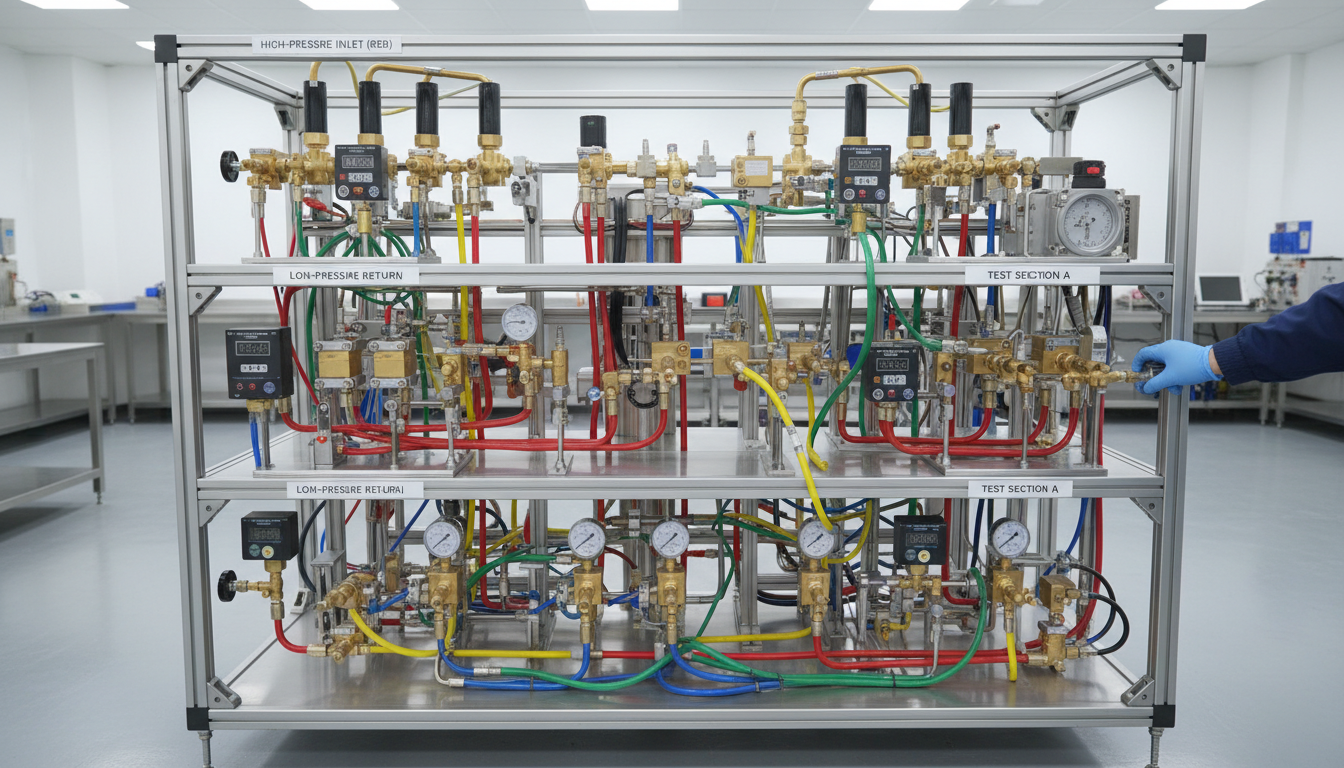
- Hydraulic System Checks: Inspect for leaks and ensure fluid levels are adequate.
Safety Considerations
Safety is a top priority when operating taillifts, especially during rainy seasons. Wet and slippery conditions can increase the risk of accidents. Ensuring that the taillift is in optimal working condition minimizes these risks and protects both the operator and the cargo.
Regularly checking the anti-slip surfaces and the stability of the taillift can prevent mishaps. Adding extra measures such as safety signage and operator training further enhances workplace safety.
Cost-Effectiveness of Regular Maintenance
While it might seem like an unnecessary expense, regular maintenance of taillifts can actually save money in the long run. Preventative care reduces the likelihood of costly repairs and extends the lifespan of the equipment, providing a better return on investment.

Additionally, by minimizing downtime due to unexpected failures, businesses can maintain their schedules and keep their customers satisfied, further enhancing profitability.
Conclusion
In Lincolnshire’s challenging rainy seasons, maintaining taillifts is not just about keeping operations running smoothly; it’s about ensuring safety, reducing costs, and prolonging the life of essential equipment. By taking proactive steps, businesses can weather the storm and continue to thrive.