
Winter Maintenance Tips for Vehicle Taillifts: Ensure Safety and Reliability
As winter approaches, ensuring the safety and reliability of vehicle taillifts becomes crucial. Cold weather can pose challenges, affecting the performance and longevity of these essential components. Proper maintenance during this season not only prevents unexpected breakdowns but also ensures smooth operations.
Importance of Regular Inspections
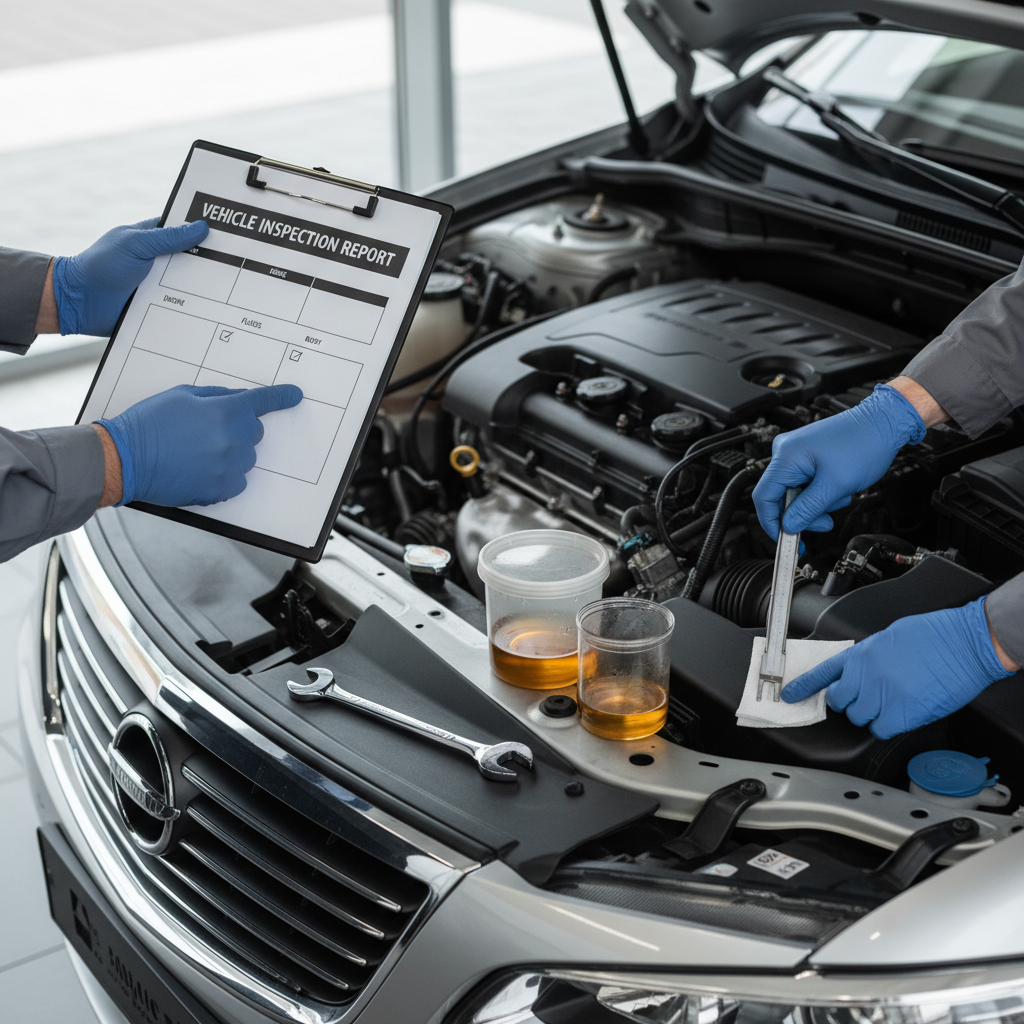
Regular inspections are a cornerstone of winter maintenance for vehicle taillifts. Cold temperatures can affect hydraulic systems, electrical components, and mechanical parts. Identifying potential problems early can prevent costly repairs and downtime.
Inspect hydraulic hoses and fittings for signs of wear or leaks. Cold weather can cause hoses to become brittle, leading to cracks or breaks. Ensure that all connections are secure and free from corrosion.
Protecting the Hydraulic System
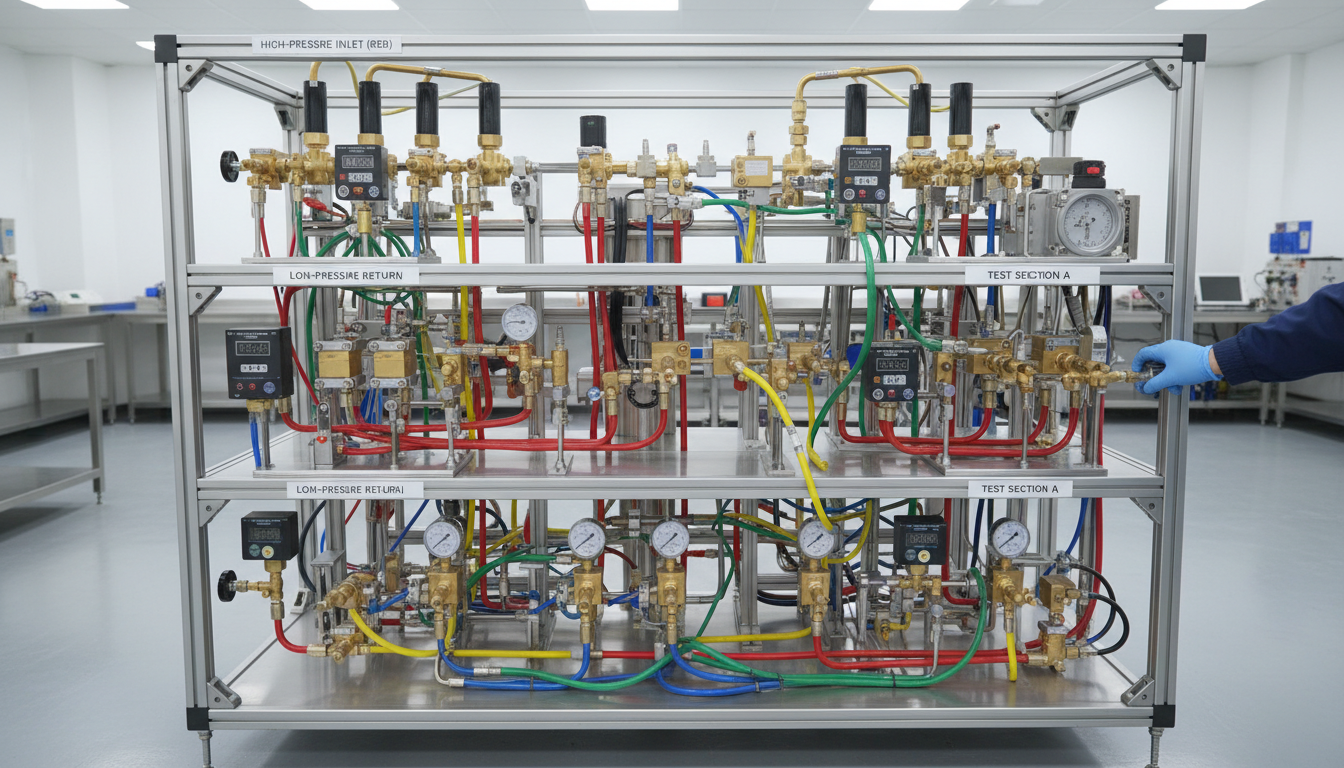
The hydraulic system is particularly vulnerable during the winter months. To maintain its efficiency, check the hydraulic fluid levels regularly. Low fluid levels can lead to poor performance and increased wear on components.
Consider using a winter-grade hydraulic fluid that remains stable in lower temperatures. This fluid reduces the risk of freezing and ensures smooth operation even in harsh conditions.
Bleeding the System
Bleeding the hydraulic system can remove any trapped air, which might cause erratic movements or reduced lifting capacity. Follow the manufacturer’s guidelines to perform this task safely and effectively.
Electrical System Care
Winter weather can be unforgiving to the electrical systems of vehicle taillifts. Check battery terminals for corrosion and ensure all wiring is intact and properly insulated. A well-maintained electrical system is essential for reliable operation.
Test all lights and signals to ensure they are functioning correctly. Visibility can be reduced during winter, making it even more important for taillifts to have working lights for safety.

Cleaning and Lubrication
Salt and debris from winter roads can accumulate on taillifts, leading to corrosion and damage. Regular cleaning is essential to remove these harmful substances. Use a gentle detergent and water, taking care not to force water into sensitive areas.
Lubricate all moving parts to prevent rust and ensure smooth operation. Pay special attention to hinges, joints, and other components that are prone to friction.
Creating a Winter Maintenance Schedule
Establishing a winter maintenance schedule can keep your vehicle taillifts in optimal condition. A proactive approach ensures that all necessary tasks are performed on time, reducing the risk of unexpected failures.
Consider the specific needs of your equipment and adjust the frequency of inspections and maintenance tasks accordingly. Document each maintenance activity to keep track of what has been done and when.
By following these winter maintenance tips, you can ensure the safety and reliability of your vehicle taillifts throughout the colder months. Regular care not only prolongs the lifespan of your equipment but also provides peace of mind knowing that your operations will run smoothly.