
Winter Maintenance Tips for Vehicle Taillifts: Ensuring Safety and Efficiency
Understanding the Importance of Winter Maintenance
Winter can be a challenging season for vehicle taillifts. Cold temperatures, snow, and ice can all impact their functionality, making regular maintenance essential. By ensuring your taillift is in optimal condition, you contribute to the overall safety and efficiency of your operations.
Regular checks and maintenance not only extend the lifespan of the equipment but also prevent unexpected breakdowns. This proactive approach helps in minimizing downtime and maintaining a seamless workflow during the harsh winter months.
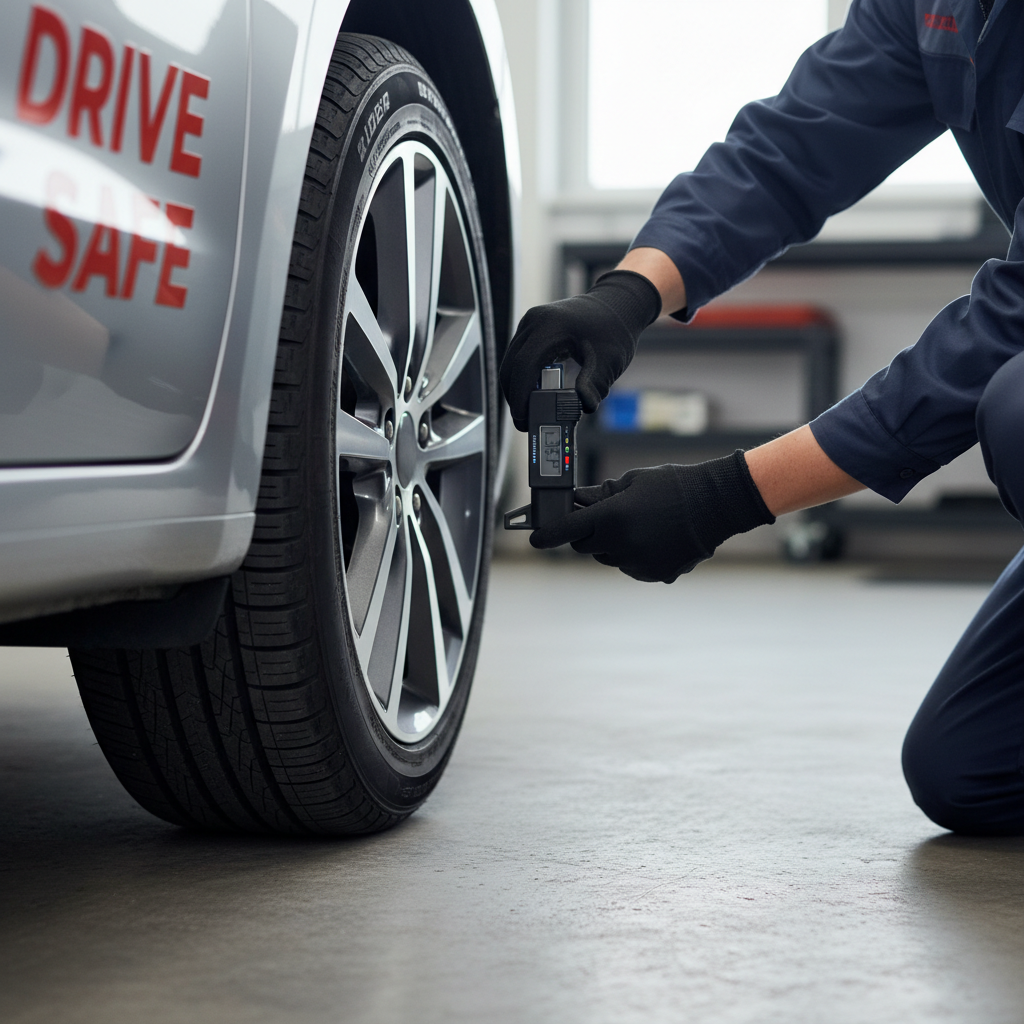
Inspecting the Hydraulic System
The hydraulic system is the heart of any taillift. During winter, it's crucial to regularly inspect it for leaks, as cold temperatures can cause seals to contract and fail. Look for any signs of oil leaks and address them promptly.
Additionally, ensure the hydraulic fluid is suitable for low temperatures. If necessary, switch to a fluid specifically designed for cold weather conditions to maintain performance and prevent system failures.
Checking Electrical Components
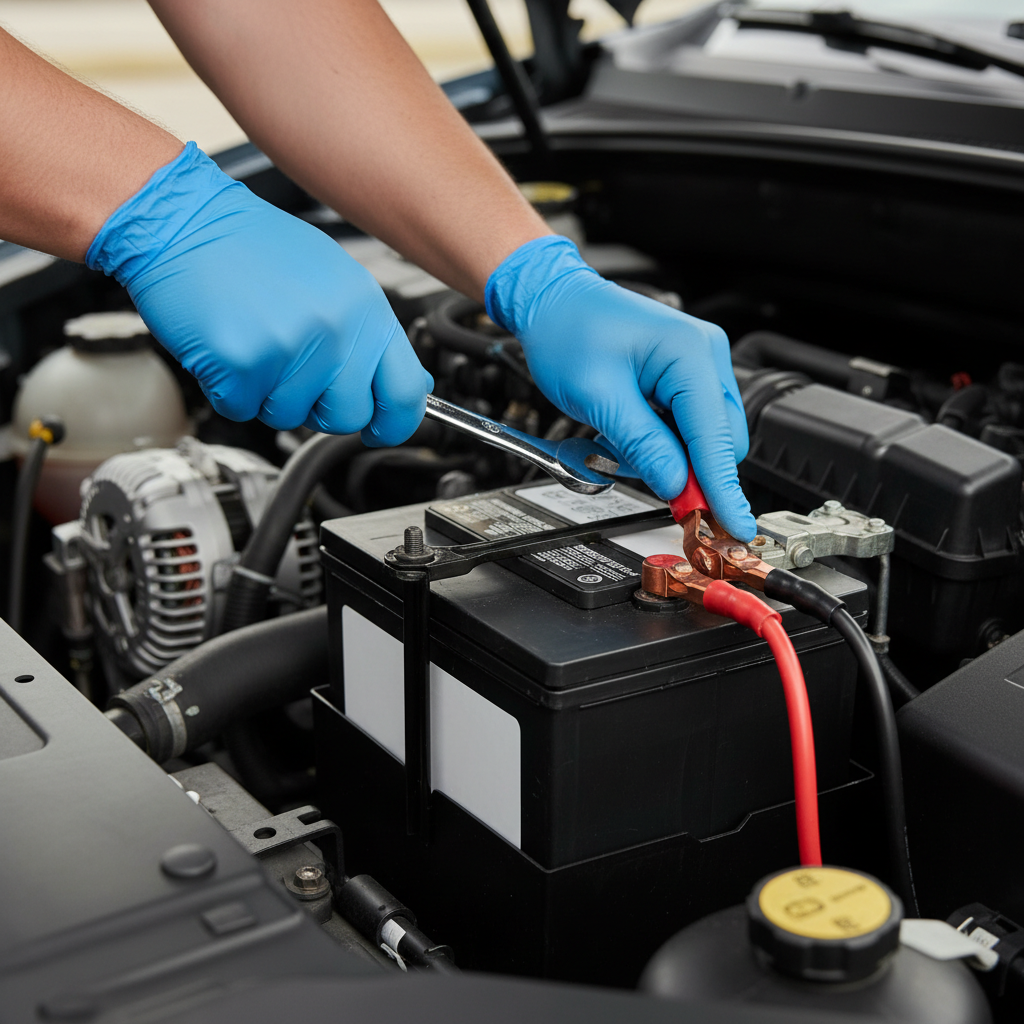
Cold weather can affect the electrical components of a taillift, leading to potential malfunctions. Inspect all wiring and connections for signs of wear or corrosion. Clean and secure any loose connections to prevent electrical failures.
It's also advisable to test the battery and charging system. Cold temperatures can reduce battery efficiency, so make sure it is fully charged and capable of handling the demands of winter operations.
Maintaining the Mechanical Parts
Regular lubrication of the mechanical components is essential to ensure smooth operation. Cold weather can cause joints and moving parts to stiffen, leading to increased wear and tear. Use a lubricant designed for low temperatures to keep everything running smoothly.
Check the condition of the lift platform and other structural elements for any signs of rust or damage. Address these issues promptly to prevent further deterioration and ensure the safety of your equipment.
Ensuring Safety Features are Functional
Safety features such as warning lights and alarms are crucial for preventing accidents, especially in low-visibility winter conditions. Regularly test these features to ensure they are working correctly.
Replace any burnt-out bulbs and repair any faulty alarms immediately. Keeping these safety features operational is vital for protecting both the operator and the vehicle.
Creating a Winter Maintenance Schedule
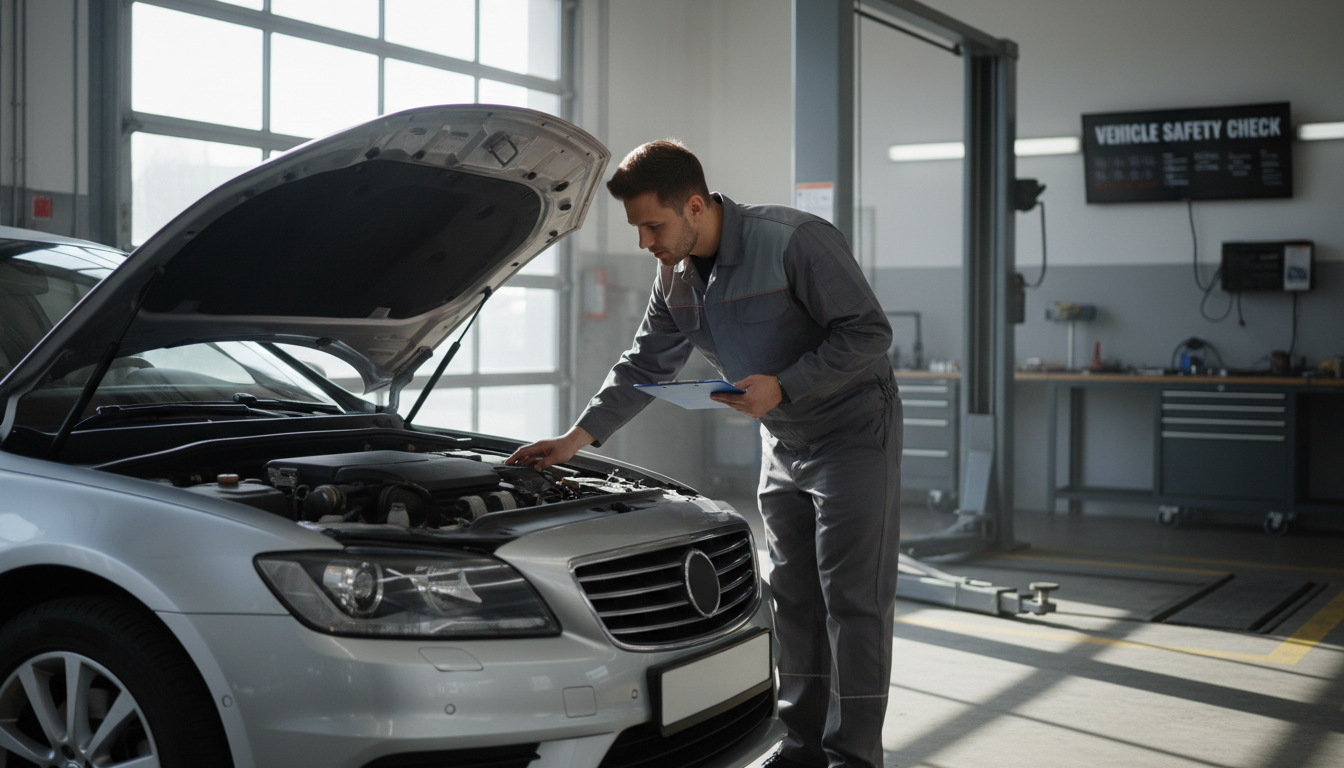
To ensure consistent maintenance, establish a winter-specific maintenance schedule. This schedule should include regular inspections, lubrication, and testing of all key components.
Document all maintenance activities and any issues that arise. This record-keeping helps in tracking the performance of your taillift and ensures that any recurring problems are addressed efficiently.
Training Staff on Winter Procedures
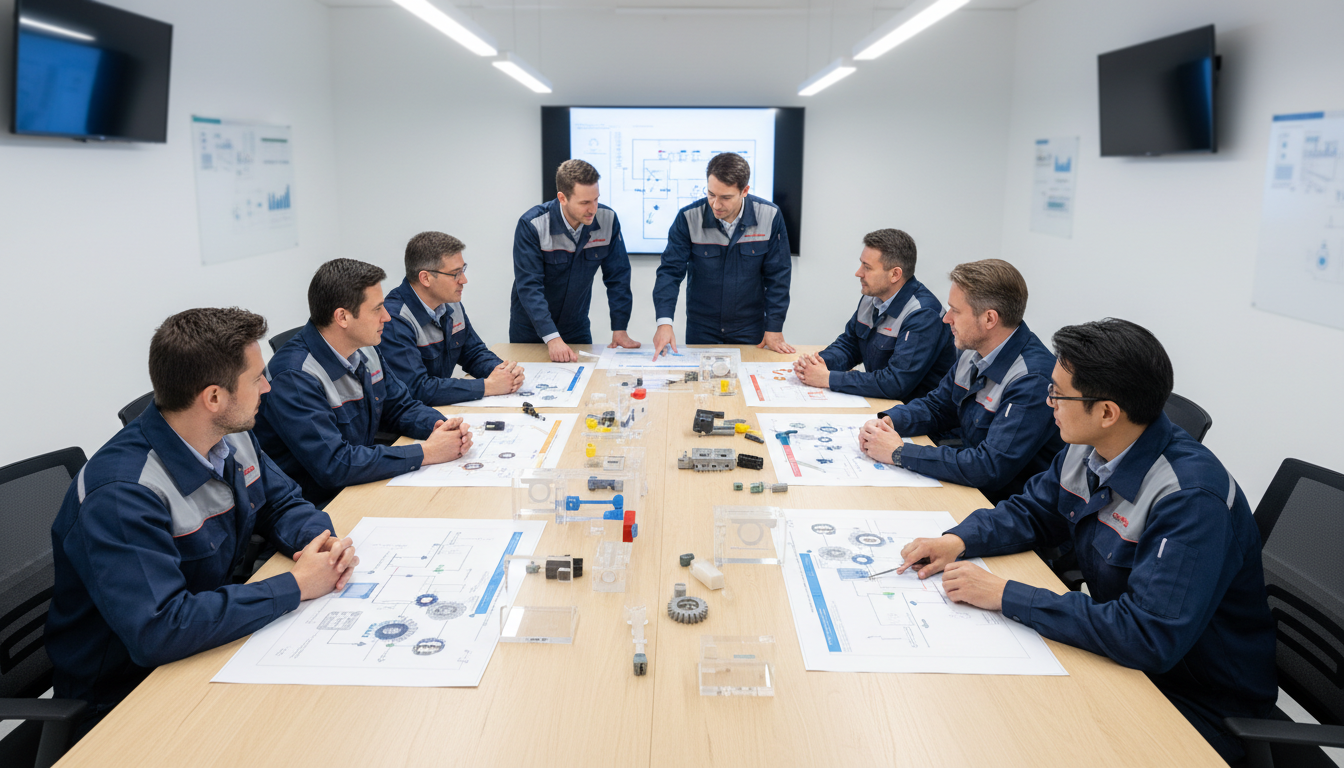
Proper training for staff operating the taillift is essential during winter. Ensure that all operators are familiar with winter maintenance procedures and know how to identify potential issues.
Conduct regular training sessions to update staff on best practices and any changes to maintenance protocols. Empowering your team with this knowledge helps maintain safety and efficiency throughout the season.
Conclusion: Prioritizing Safety and Efficiency
By following these winter maintenance tips, you can ensure that your vehicle taillifts remain safe and efficient throughout the cold months. Regular inspections, proper lubrication, and attentive care of electrical and hydraulic systems are key to preventing downtime and maintaining operational efficiency.
Investing time in these preventive measures will not only protect your equipment but also safeguard your team and enhance overall productivity during the winter season.